Boosting competitiveness through marketing: An Interview with Joanna Solecka
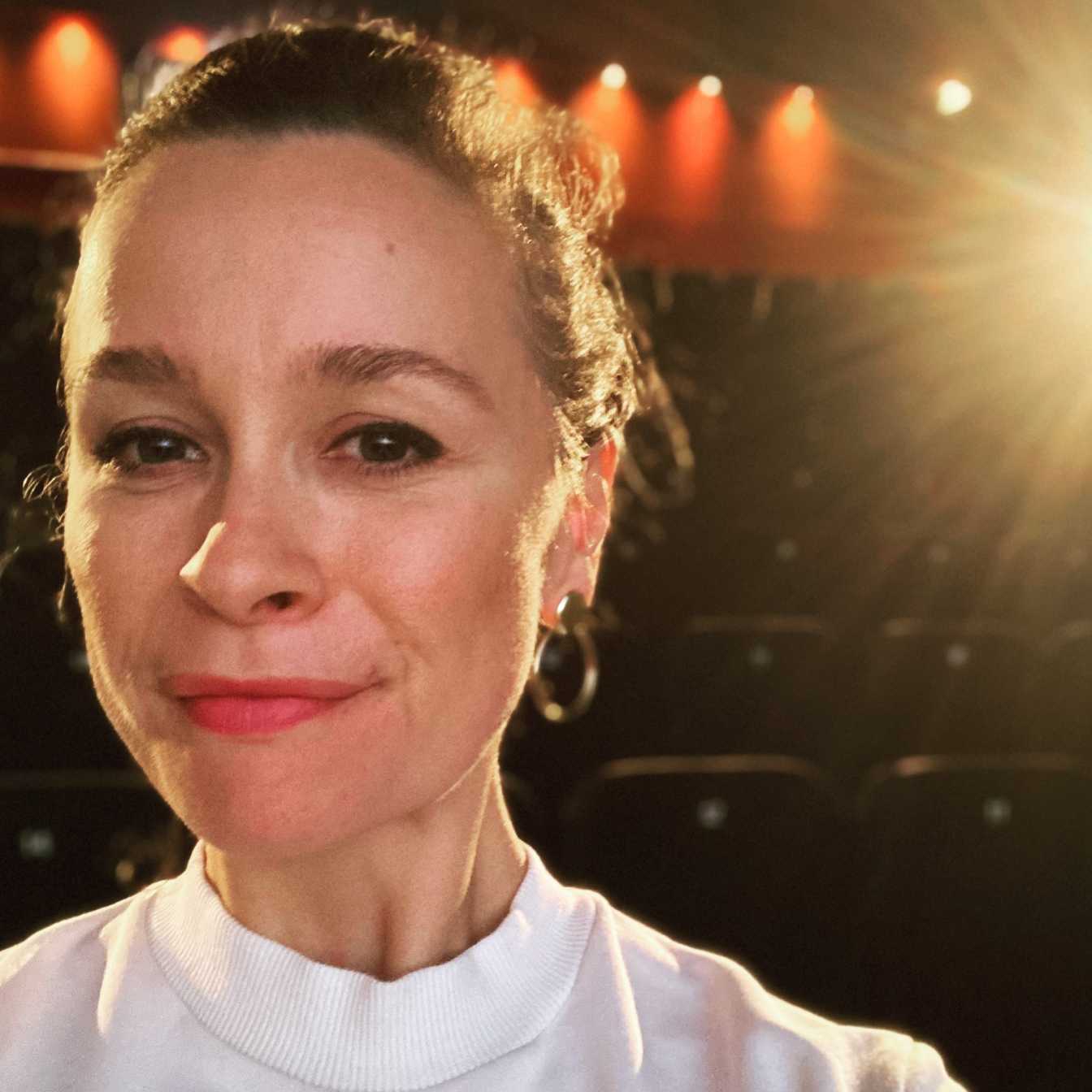
As part of the interviews conducted with European film professionals to understand their visions and needs in the European Film Industry, we talked with Joanna Solecka, a film marketing expert and strategist. She is the Head of Alphapanda in Warsaw, a European digital marketing agency for the film industry. The agency handles marketing for a variety of film projects including fiction films, documentaries, animations and TV series, such as 'The Quiet Girl' (Oscar Nominee), 'Touch Me Not' (Berlinale Winner) for fiction, ‘Smoke Sauna Sisterhood' for documentaries (European Film Awards Winner), and the animated film ‘Flee’ (Oscar Nominee). This interview was conducted online on April 22, 2024. During our discussion, we delved into the often overlooked role of marketing in enhancing the competitiveness of the European Film Industry and its quest to reach wider audiences. Joanna Solecka highlighted the importance of thinking about marketing in the early stages of production and how defining the right strategy can help films better communicate with their audiences and become more competitive. Additionally, we explored the various hurdles faced in enhancing film marketing in the European Film Industry. These challenges include a general lack of awareness about the significance of marketing, limited budgets, and a shortage of skilled marketing professionals. Joanna also underlined the need for a deeper understanding of the film marketing profession and the development of trust between filmmakers and film marketing experts.
Marina Rossato Fernandes: What are the key challenges in film marketing within the European Film Industry?
Joanna Solecka: There are three challenges I’d like to highlight: marketing budgets, awareness and lack of experts in the field. Budgets for film marketing are still the main challenge. And also understanding that you need the marketing already at the development stage. Whereas there are very little or no options available for funding of the marketing activities at this stage. There is also a lack of time and experts in the field, which is connected with the budget challenge. The producers are focused on producing with very little space for the marketing thinking behind it, and what really makes a huge difference for a film to be competitive is that you have a clear strategy on how to promote the film before you enter the shooting. Because then you can understand what kind of film you have in your hands, who the targets are, and what you can do during the production, which will later save your budget and help you to secure the necessary materials. Also, a strategy will make you understand what kind of target audiences you will have for this film. And because of this understanding, which is crucial, you will know what kind of materials you’d need. Moreover, because of these targets, you will also know which ambassadors and partnerships you can set up for your film. That should also start quite early as these types of things take time.
Marina Rossato Fernandes: When developing a marketing strategy for a film, are there fundamental differences when targeting different territories?
Joanna Solecka: Of course, it's very important to understand these differences. For instance, you can play with a lot of language elements for your national campaign that won't be understandable in other territories. Or you have a recognizable cast in your country, but it's not recognized outside the national territory and this should push you to think about what other elements you have at hand to use for your international premiere.
Marina Rossato Fernandes: What are the key challenges in film marketing within the European Film Industry?
Joanna Solecka: There are three challenges I’d like to highlight: marketing budgets, awareness and lack of experts in the field. Budgets for film marketing are still the main challenge. And also understanding that you need the marketing already at the development stage. Whereas there are very little or no options available for funding of the marketing activities at this stage. There is also a lack of time and experts in the field, which is connected with the budget challenge. The producers are focused on producing with very little space for the marketing thinking behind it, and what really makes a huge difference for a film to be competitive is that you have a clear strategy on how to promote the film before you enter the shooting. Because then you can understand what kind of film you have in your hands, who the targets are, and what you can do during the production, which will later save your budget and help you to secure the necessary materials. Also, a strategy will make you understand what kind of target audiences you will have for this film. And because of this understanding, which is crucial, you will know what kind of materials you’d need. Moreover, because of these targets, you will also know which ambassadors and partnerships you can set up for your film. That should also start quite early as these types of things take time.
Marina Rossato Fernandes: When developing a marketing strategy for a film, are there fundamental differences when targeting different territories?
Joanna Solecka: Of course, it's very important to understand these differences. For instance, you can play with a lot of language elements for your national campaign that won't be understandable in other territories. Or you have a recognizable cast in your country, but it's not recognized outside the national territory and this should push you to think about what other elements you have at hand to use for your international premiere.
Marina Rossato Fernandes: What do you believe prevents producers from thinking about the marketing strategies at the beginning of the project?
Joanna Solecka: It’s rooted in the traditional way of thinking about the role of marketing that there will be some other stakeholders later coming into the picture who will do that for them. It used to be true. But right now, especially in the digital era, when all information is at hand, meaning in your mobile phone, the films are starting to be promoted much earlier with works in progress presentations, catalogues, and markets. So there is a need to have the marketing strategy much beforehand. It's not necessarily what is happening for all the films, because there is a lack of experts in this field and also lack of budget and / or willingness to pay for the experts, especially at the early stage of the film development, what I already mentioned before.
Marina Rossato Fernandes: So, there is a lack of mentality in understanding the importance of thinking about marketing at the beginning of the production. However, is there also a lack of budget to invest in it?
Joanna Solecka: Definitely both. We're doing a lot of master classes about it and a lot of workshops, but still, when the time comes, the lack of time and money is definitely the main obstacle. This is not even connected to a certain country; it's everywhere. When we start to work on a film that is finished, so we have nothing to say before starting the shooting, we usually get very random visual material. They can be beautiful or even creative, but if there is no strategy behind them, then the campaign is very much narrowed. Whereas, nowadays, especially for the digital purpose, there are so many different ways how to promote the film, apart of the usual poster, trailer, teasers and few stills and clips.
Marina Rossato Fernandes:What are your recommendations to address these challenges?
Joanna Solecka:We need to create trust among film marketing professionals, producers, and directors. In the case of author-driven cinema, the authors are so attached to their vision that when you have another concept to communicate their vision, it can be difficult. We should build trust not only with the producers but also with the directors so they can see the importance of it, and they will see that it's not such a terrible experience, but it can also be fun and creative. There is also a lack of film marketing professionals, trainings, and even adequate credits for the film marketing experts; we don’t own this role. My personal mission is to build bridges between filmmakers and film marketing experts, so there is an understanding built between them at the early stage, and as a result more films will be seen and appreciated by their audiences.
Joanna Solecka: It’s rooted in the traditional way of thinking about the role of marketing that there will be some other stakeholders later coming into the picture who will do that for them. It used to be true. But right now, especially in the digital era, when all information is at hand, meaning in your mobile phone, the films are starting to be promoted much earlier with works in progress presentations, catalogues, and markets. So there is a need to have the marketing strategy much beforehand. It's not necessarily what is happening for all the films, because there is a lack of experts in this field and also lack of budget and / or willingness to pay for the experts, especially at the early stage of the film development, what I already mentioned before.
Marina Rossato Fernandes: So, there is a lack of mentality in understanding the importance of thinking about marketing at the beginning of the production. However, is there also a lack of budget to invest in it?
Joanna Solecka: Definitely both. We're doing a lot of master classes about it and a lot of workshops, but still, when the time comes, the lack of time and money is definitely the main obstacle. This is not even connected to a certain country; it's everywhere. When we start to work on a film that is finished, so we have nothing to say before starting the shooting, we usually get very random visual material. They can be beautiful or even creative, but if there is no strategy behind them, then the campaign is very much narrowed. Whereas, nowadays, especially for the digital purpose, there are so many different ways how to promote the film, apart of the usual poster, trailer, teasers and few stills and clips.
Marina Rossato Fernandes:What are your recommendations to address these challenges?
Joanna Solecka:We need to create trust among film marketing professionals, producers, and directors. In the case of author-driven cinema, the authors are so attached to their vision that when you have another concept to communicate their vision, it can be difficult. We should build trust not only with the producers but also with the directors so they can see the importance of it, and they will see that it's not such a terrible experience, but it can also be fun and creative. There is also a lack of film marketing professionals, trainings, and even adequate credits for the film marketing experts; we don’t own this role. My personal mission is to build bridges between filmmakers and film marketing experts, so there is an understanding built between them at the early stage, and as a result more films will be seen and appreciated by their audiences.
Author: Marina Rossato Fernandes is a postdoctoral researcher at the Center for International Relations Studies at the University of Liège. Her research interests include media and cultural policy, political economy, and international cooperation. She obtained a PhD in Media and Communication Studies at Vrije Universiteit Brussel, focused on the relationship between Latin America and the European Union in the domain of supranational audiovisual policies.