Newsletters Archive

UNIVIE’S REBOOT JOURNEY
UNIVIE’S REBOOT JOURNEY
Angeliki Chatziefraimidou aka Aliki
favourite movie since REBOOT started:Loving Vincent (2017), Poland & the United Kingdom, directed by Dorota Kobiela and Hugh Welchman.
The film is an experimental animated historical drama, which has won the Best Animated Feature Film Award at the 30th European Film Awards in Berlin, in 2017, as it is the first fully painted animation film from 125 artists around the world, who used the technique of Van Gohn: The 65.000 frames of the film are all oil paintings on canvas.
favourite moment at REBOOT: One personal highlight of this project was the first Children’s University (Kinderuni) Workshop, in which our team participated in 2024. It was the first effort to disseminate the REBOOT project’s mission to children aged 10 to 12 through an interactive workshop. The activities our team organised for this purpose, the setting, the team-work, children’s creativity and their special outcomes, turned this into a special experience for me. One more experience was the REBOOT’s consortium meeting in Château de La Napoule, in Cannes, which included the REBOOT’s participation in the Cannes film festival (2025).
My experience in REBOOT was life-changing, as it was the first project I worked on. The focus of the field and its impact not only highlighted the role of children as civic actors in the film industry and a key factor for the industry’s competitiveness, but also showed how film can be a means of creativity, expression and connection in the digital age.
Collaboration with the partners was an amazing experience. Working with professionals across Europe who shared the same passion, while also having unique opportunities for exchange and cooperation, was truly interesting. The working environment within the Vienna team was excellent - and it was an honour to work with people who are passionate and deeply committed to everything they do.
It was a once-in-a-lifetime opportunity to learn about the European film industry through the eyes of young people, to grow within academia through conferences and publications and to develop both as an individual and as a team under the leadership of Prof. Sarikakis, a remarkable visionary and academic professional leader.
As this project comes to an end, its impact has only just begun, shifting the perspective of competitiveness in the European film industry away from numbers and toward people: toward children, preferences, needs and voices behind the statistics. Film is no longer seen merely as a product, but as the identity and stories of those who create and express them, and of those who see themselves represented or learn about the stories and cultures of others.
I want to extend my gratitude to my colleagues who worked beside me through deadlines, deliverables, research, writing, publications, travel and celebrations, because, at the end of the day, these people made my journey so special.
Sarah Baumgartner aka Sarah
favourite movie:The Day Iceland Stood Still (2024) - Iceland, USA - Dir.: Pamela Hogan
The Day Iceland Stood Still is an Icelandic-American documentary film by Pamela Hogan and Hrafnhildur Gunnarsdóttir from 2024. It focuses on the major women's strike on October 24, 1975, during which 90 percent of Icelandic women stopped both their professional and domestic work to demonstrate for gender equality.
favourite moment at REBOOT: The conference in Vienna - my first experience in an academic space. Truly exciting, full of new insights, inspiring conversations, and perspectives that broadened my view and motivated me both intellectually and personally.
add anything else funny/interesting thought provoking: REBOOT also taught me that research isn’t just books, theories, and serious faces - it’s curiosity, chaos, strong opinions, late questions, and people who care a lot. Basically: less ivory tower, more real life. And somehow, that made it even more exciting.
From the very beginning, REBOOT stood out to me as a project that engages with a highly central and timely research topic. Even though I joined at a later stage, I immediately felt how relevant and meaningful the work was, and how much care and commitment had already been invested in the project. Becoming part of this process was both motivating and inspiring.
REBOOT was my first experience in a research project, and it allowed me to engage deeply with questions that are crucial to understanding film not only as an industry, but as a cultural and social space. As a passionate cinema-goer, it was especially exciting to work on a topic that I genuinely care about, and to see how personal interest and research-driven inquiry can come together in such a productive way.
What truly shaped my experience was the team. Working with such dedicated, open and enthusiastic people created an environment in which exchange, collaboration and mutual support were central. The strong sense of teamwork made it easy to stay motivated, to ask questions and to contribute ideas, regardless of the limited time I spent in the project.
Throughout my involvement, I was able to develop further, learn new things and gain valuable insights through hands-on research work and constant exchange with the team. I felt encouraged to grow, to reflect and to engage more confidently with complex questions, which made the experience particularly rewarding.
I feel very honoured to have been part of REBOOT. The project offered a space to engage seriously with a central research theme, to exchange ideas and to experience how collaborative research can be shaped by shared curiosity and dedication. At the same time, it highlighted how colourful and diverse the European film industry truly is, and how artistic independence functions as a lifeline of society - an expression of diversity and, ultimately, a celebration of life.
Katharine Sarikakis aka KS or Prof
favourite movie:the Murderess (Greek: H Φόνισσα) 2023, Greece. Dir: Eva Nathena
Directed by Eva Nathena, the film derives from Greek literature of the early 20th century. The Murderess, H Φόνισσα, was written by Alexandros Papadiamantis, in 1903. The work is set in the late 1880s Skiathos in Greece and is the story of midwife Chadoula, who commits a series of murders of infant girls in her small village. Chadoula resorts to murder, in order to spare girls from a life of oppression and suffering as adult women. The film and book show her psyche, traumatised by a life of severity and suffering, as it is tormented between her conscience and her desire to deliver women from an insufferable, inescapable fate. The film criticises the conditions leading to femicide, here in this story ironically by a woman with the intention of salvation, the victims of misogyny to our days. The underpinnings of the work are also to be found in the critique against violence against women and femicide as direct hate crimes. Chadoula’s acts are importantly motivated not by hate against women, but by compassion for girls and by rage against the fate that awaits them - a misguided, desperate act to save women from a prolonged death and assault on their soul and body. The film returns to the theme of violence against women through its treatment of femicide both through a historical lens and an unmistaken sharp view of the persistence violence against women and girls that spikes in times of crises. The movie came out of the post-covid era, a time where violence against women and the killings of women rose significantly across the world. The power of storytelling lies in its connecting, in an unsettling manner, practices of times gone that, however, remain painfully persistent in our times: not only the murder of female infants, but also that of girls and women.
favourite moment at REBOOT: the excitement and conviction of our work; the amazing opportunity to convey children’s voices through our research; the deep and long lasting friendships made at our consortium. The moment I was called ‘Coordinator of our Hearts’.
Leading young people to expand their skills, realise their capabilities and challenge their perceptions: working with an amazing team of young people to support the work of the whole consortium was incredible. Our work will generate publications for years to come and we are convinced we have something invaluable to offer to the future of our common heritage of European culture and film. The moments in festivals, meetings, workshops and the opportunity to expand the research as it developed. The incredibly rich intellectual volume of ‘smarties’ all around me: my team, my colleagues and all the young people that became involved and part of our 60 strong consortium.
The storytelling of storytelling!

Concluding the REBOOT journey: Polish REBOOT Team Presents Research on Film Consumption and Internationalization at National Conferences
Concluding the REBOOT journey:
Polish REBOOT Team Presents Research on Film Consumption and Internationalization at National Conferences
As part of the dissemination of research findings within the REBOOT project, members of the Polish research team presented their work at key national conferences in fall 2025. At the 9th National Conference “The Polish Media System in the Process of Change”, held in Kielce, Poland, on December 4, 2025, the team presented the paper “Intergenerational Changes in the Contemporary Approach to Film Consumption: Generation Z Preferences in Film Creation, Distribution, and Presentation”, authored by Jacek Mikucki and Alicja Waszkiewicz- Raviv.

Concluding the REBOOT journey: Takeaways from the REBOOT report Lessons from the past.
Concluding the REBOOT journey:
Takeaways from the REBOOT report Lessons from the past.
The REBOOT-report, deliverable 2.4, Lessons from the past. European film industry looks back at thirty years of changes, challenges, and paradoxes, is part of the broader WP2 of the REBOOT-project, and it is a collaboration between Ghent University, UCM and the University of Warsaw. This report is inspired by the annually returning, widely spread and quoted Nostradamus report, which entails a bottom-up, future oriented perspective of the (European) filmed entertainment industry through means of expert-interviews with senior European industry professionals. However, this report, although it incorporated a similar methodological approach, gathered the data based upon a more extensive body of interviews and altered the future oriented perspective by implementing a historical approach. This allowed the report to provide a comprehensive and extensive overview of the most profound changes, challenges and developments in the European film industry (EFI) over the span of the last thirty years. In total, 68 pan-European industry professionals and important senior stakeholders were contacted and successfully interviewed: twenty-five Flemish-, twenty-three pan-European- and twenty Spanish interviews.
This unique approach resulted in the emergence of rich data sets elaborating on the challenges and developments perceived by important European industry professionals, which was subsequently subdivided into four thematic clusters structuring the report in general. Those clusters are related to production, distribution, exhibition and policy. The most preponderant questions delved into overproduction, the long standing American dominance in the global film industry, the impact of streaming services’ recently acquired hegemonic position, the impact of digitization processes and corresponding technological shifts, the divide between economic and cultural interests, the place of cinema in the current ecosystem, the perceived idea of competitiveness in general, and, finally, some questions related to policies implemented in the fragmented European film industry.

Concluding the REBOOT journey: Université Côte d’Azur in REBOOT – Innovation, Immersion and the Future of European Film
Concluding the REBOOT journey:
Université Côte d’Azur in REBOOT – Innovation, Immersion and the Future of European Film
As the REBOOT project is brought to completion (2023–2026), Université Côte d’Azur (UniCA) is honored to have been part of the consortium’s common goal: boosting the competitiveness of European film industry while keeping cultural diversity, creativity, and young audiences at the very core of the conversation.
UniCA examined how Extended Reality tools (VR/AR/MR/XR) might alter the way young audiences engage with screen-based content. We approached XR as an extension of cinema as well as an emerging form of storytelling where attention, space, and interaction become part of the narrative. By comparing public funding and support schemes (in Europe and beyond), we identified that current policy frameworks remain fragmented and often provide insufficient support for cinema/XR hybridization at scale. Alongside this policy work, we conducted experimental audience research using eye-tracking to better understand how viewers perceive and process spatial information in immersive environments. The findings point toward distinctive cognitive and attentional dynamics in XR settings-suggesting that immersive formats may open new paths to engage younger publics and renew the attractiveness of European audiovisual creation.

Concluding the REBOOT journey: UC3M and the REBOOT Project
Concluding the REBOOT journey:
UC3M and the REBOOT Project
From the outset, REBOOT offered UC3M a unique opportunity to advance research on the international circulation of European cinema, its competitiveness, and the role of public policies and institutional frameworks in promoting European films abroad. The UC3M research team participating in the project was led by Prof. Luis A. Albornoz, with Prof. María Trinidad García Leiva and Isabela M. Vargas Miranda, and engaged in qualitative and quantitative methods including desk research, interviews, an online survey, policy analysis, and active participation in international events and discussions.ts.
Within this work, UC3M analyzed the policies and incentives supporting the international promotion of the European and Spanish film industries (Task 3.4). This involved interviews with institutional representatives and an analysis of Spain’s public support framework. In parallel, the team examined the perceptions of international film professionals regarding the European film industry (Task 4.3), focusing on Latin America, through desk research, semi-structured interviews and an international survey with key film industry stakeholders in Argentina, Brazil and Mexico. Both lines of inquiry provided nuanced insights into the opportunities and challenges of promoting European films internationally, highlighting the institutional support available in Spain and the perspectives of Latin American stakeholders, identifying potential avenues for stronger cultural, industrial, and economic collaboration.

Concluding the REBOOT journey: Three years of Reboot – on looking back and moving forward
Concluding the REBOOT journey: Three years of Reboot – on looking back and moving forward
Almost three years after the start of REBOOT, the project is now about to wrap up. The results have been published, the deliverables submitted and the milestones accomplished. We have travelled to present results at conferences, round tables and festivals, we have discussed them with representatives from the European Film Industry while at the same time trying to make a wide audience aware of what is at stake in its defence. Many of us will keep working on some of the questions tackled in these 36 months in future publications and research projects.
It’s also time to mention some aspects that personally stood out in this process.

Concluding the REBOOT journey: A letter from Greece
Concluding the REBOOT journey: A letter from Greece
Participating in the REBOOT project as a researcher in the ELIAMEP team was an enriching professional experience, but also personally meaningful, as it was my first Horizon Europe project. From the very start I found the collaborative spirit across partners and institutions inspiring, the diversity of perspectives refreshing, and the shared commitment to strengthening European film competitiveness motivating. Working closely with colleagues from different countries (great teams of academics, researchers and experts) brought fresh insights, encouraged me as an EU law researcher to think beyond familiar frameworks, and it deepened my appreciation for the value of cross-disciplinary partnerships.
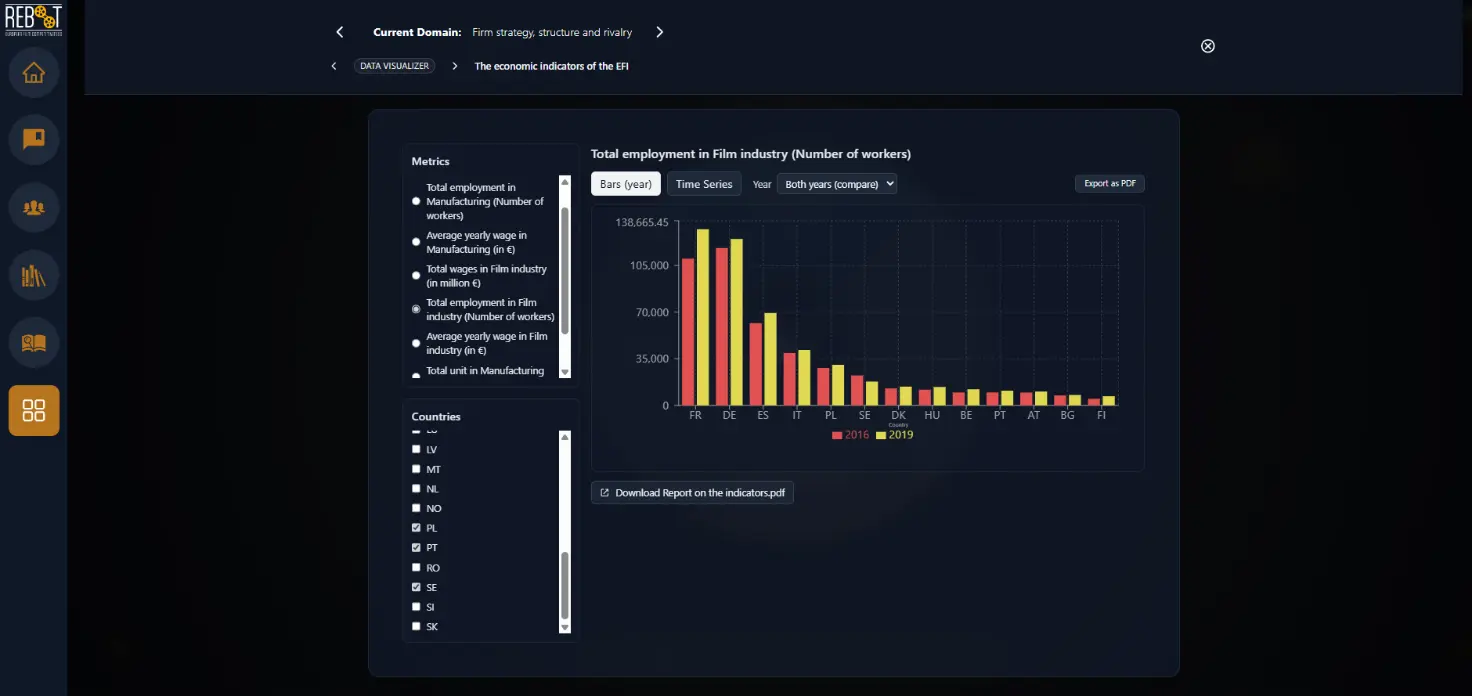
Release of Film-Industry Competitiveness Dashboard: An interactive way to see the EFI.
The newly developed Film-Industry Competitiveness Dashboard is an innovative digital tool designed to help stakeholders, researchers, and policymakers better understand—and ultimately improve—the performance of Europe's screen industries. Accessible through the Reboot project website, the Dashboard provides open access to a rich collection of data, indicators, and analyses generated through extensive research carried out by the project's consortium partners. These include insights from Deliverable 2.4, which explores key paradoxes in the European film industry over the past three decades; Deliverable 3.6, which examines the institutional context shaping industry dynamics; and Deliverable 6.2, which presents socio-economic indicators of the European Film Industry (EFI).
Grounded in Michael Porter's Diamond Model (Porter, 1990), the Dashboard adopts a well-established economic framework and adapts it to the specific realities and complexities of the European film and media sectors. While Porter's model was originally designed to assess national competitive performance, its reinterpretation within this project enables users to explore the creative industries through a multidimensional and context-sensitive lens.
The Dashboard is organised into four interactive domains, each corresponding to one of the model's core determinants of competitiveness. Through a combination of qualitative and quantitative indicators, users can navigate the following areas:
Factor Conditions, which highlight the availability of skilled professionals, state-of-the-art facilities, technological infrastructure, and training ecosystems.
Demand Conditions, which assess audience behaviour, levels of sophistication, cultural diversity, and the overall scale and structure of film markets.
Related and Supporting Industries, examining how complementary sectors—including advertising, tourism, education, and technology—contribute to and benefit from audiovisual activity.
Firm Strategy, Structure, and Rivalry, which explores how companies innovate, collaborate, and compete within their local, national, and European environments.
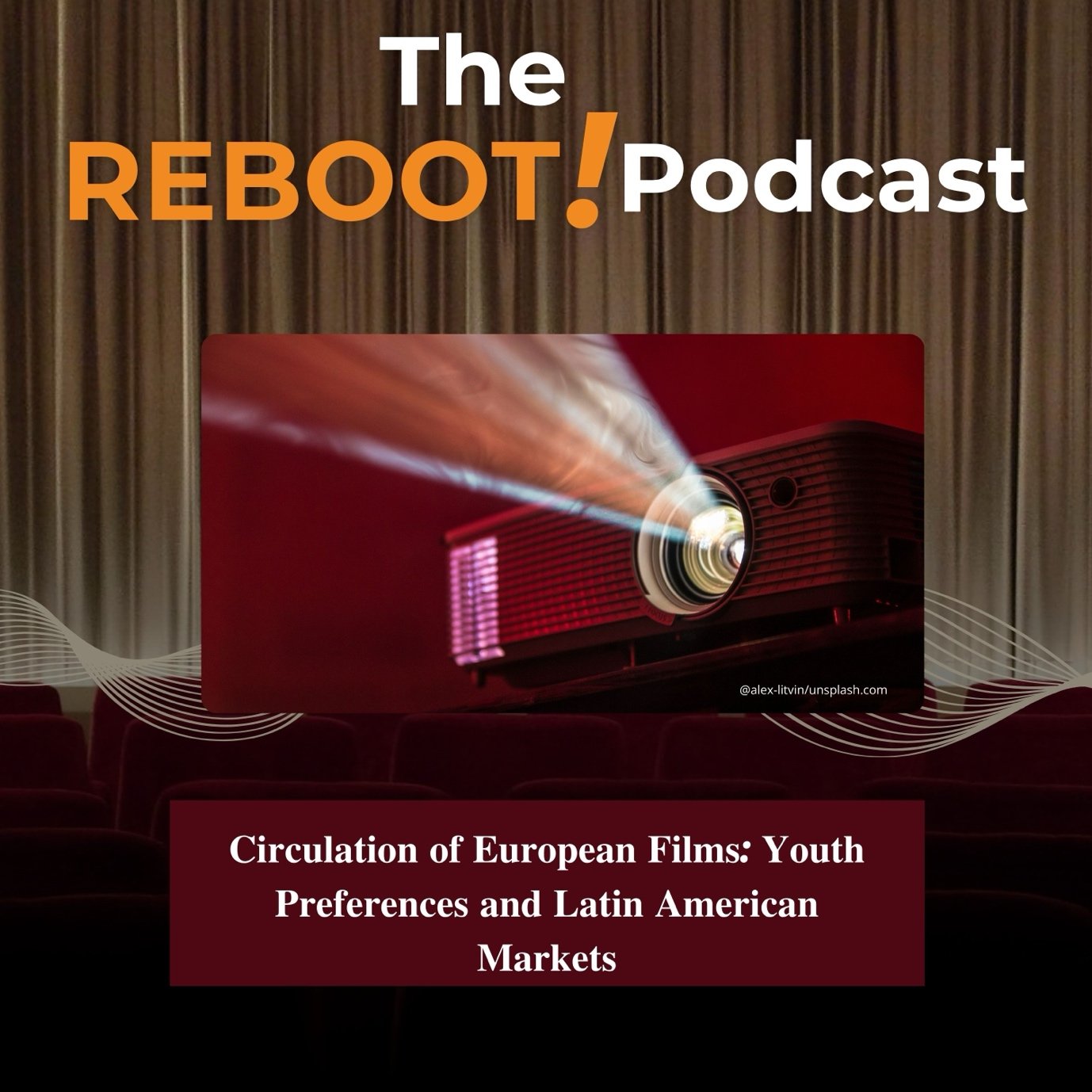
REBOOT Podcast Episode 4 - Cannes Special
Circulation of European films: youth preferences and Latin American markets
Is the film industry ready for the next generation? This episode is part of our special issue series on strategies to enhance European film competitiveness.
We explore research insights from the REBOOT project revealing how young audiences across Europe are reshaping cinema. Based on insights from over 4,500 young people, the findings point to digitally fluent, inclusive audiences drawn to stories of otherness and cooperation rather than old hierarchies. Yet European cinema still struggles to reach global markets, with just 1–3% market share in parts of Latin America despite streaming availability.
We take a look at the global cinema through the lens of the REBOOT project insights on the circulation of European films, the evolving preferences of young audiences and the untapped potential of Latin American markets.
The good news? Change is happening. From gender-balanced production models to innovative use of digital platforms, new strategies are opening doors. These exchanges were conducted in collaboration with CAACI Iberoamérica at the Cannes Marché du Film - Festival de Cannes.
Listen now
#RebootEFI #RebootPodcast #Europe #Cinema #FilmIndustry
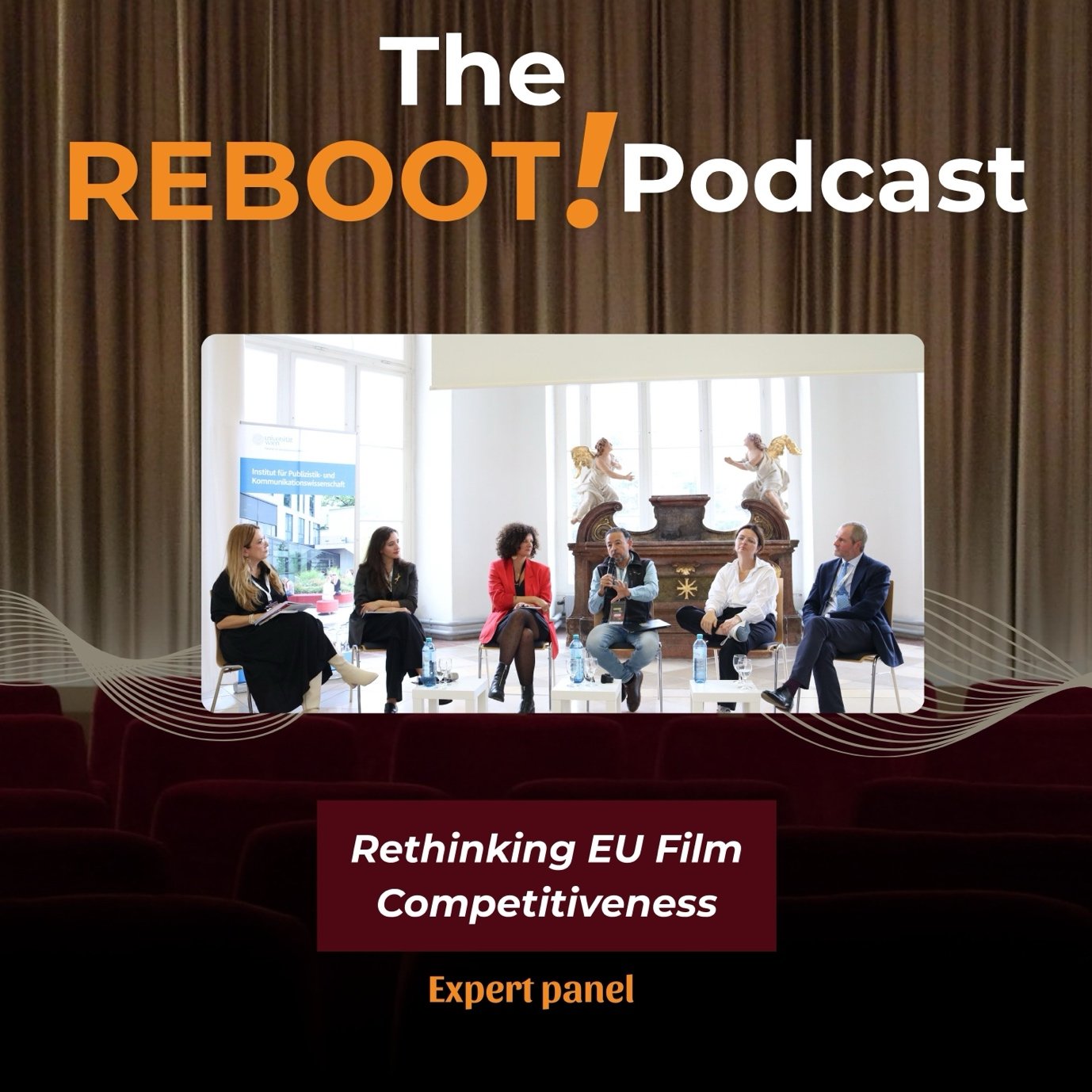
REBOOT Podcast 3 - Special Issue: Rethinking European Film Competitiveness
Rethinking European Film Competitiveness
We kick off our special issue series "Rethinking European Film Competitiveness" with an exchange featuring: Roland Teichmann (Director, Austrian Film Institute), Juliette Prissard (General Delegate, Eurocinema), Rodrigo Gómez (Professor, Universidad Autónoma Metropolitana-Cuajimalpa, Mexico), Mafalda Dâmaso (Part-time Professor, European University Institute & Erasmus University Rotterdam), and Marion Schmidt (Cultural Manager and Board Member, Documentary Association of Europe); moderated by Univ. Prof. Dr. Katharine Sarikakis.
In this episode, our expert panel explores the evolving European film landscape, examining funding structures, production models, regulatory shifts and the growing influence of digital platforms. They discuss the key challenges and opportunities shaping the future of European cinema.
Listen now
#RebootEFI #RebootPodcast #Europe #Cinema #FilmIndustry
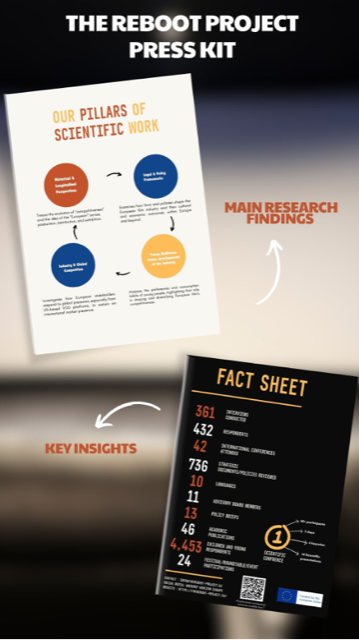
Now Available: The REBOOT Press Kit!
The REBOOT press kit offers a comprehensive overview of the project's current state, detailing ongoing research activities, key findings and contributions to the EFI research field. It includes an up-to-date list of publications, resources and outputs that showcase the project's impact and its role in advancing knowledge.
Designed for film industry stakeholders, policy makers, journalists and researchers, the press kit provides accessible insights into the work, achievements and scholarly contributions of the project.

REBOOT at the Locarno Film Festival: Rethinking financing strategies for independent film in Europe
At this year's Locarno Film Festival, REBOOT was part of a timely discussion during the round table "Public Meets Private: Rethinking Financing Strategies for Independent Film in Europe."
Marina Rossato, representing the REBOOT project, joined a panel of industry professionals to share how REBOOT's research contributes to ongoing debates about the future of film financing in Europe. Drawing on project findings, Rossato explored the current challenges and strengths of the European Film Industry (EFI) and how these can inform more sustainable and inclusive financing models.
Her presentation highlighted one of REBOOT's key insights, the central role of public funding in supporting European cinema's cultural and creative vitality. As Rossato noted, any conversation about attracting private investment must build upon this foundation, ensuring that public mechanisms continue to safeguard cultural diversity and artistic independence.
For the occasion, Rossato also prepared an exclusive report for Locarno Pro participants, summarising REBOOT's key findings and offering evidence-based perspectives to guide future policy and industry collaboration.
Discussing young people as film audiences at the Espoo Cine Film Festival
University of Jyväskylä
Espoo Ciné (espoocine.fi/en/) is one of the largest film festivals in Finland. It focuses on new European films from renowned filmmakers and up-and-coming talent. The 36th edition of the festival took place in August and featured special screenings and events. Through the Junior Ciné festival, the festival offered a special programme for children and young people, screening animations, children's films, and youth films in theaters and online. The festival also organised workshops for school students.
Junior Ciné opened with a guest screening of Fleak , an international co-production animation from Finland, France, Malaysia, and Poland. The film was introduced by its director, Antti Haikala. The screening was followed by a panel discussion entitled "Young people enjoy movies, but how?" Kaisa Kukkola, Executive Director of the Kokkola Film Festival, chaired the panel, which included Associate Professor Tuuli Lähdesmäki (University of Jyväskylä, REBOOT project), University Researcher Kaisa Hiltunen (University of Jyväskylä, REBOOT project), Deputy Director Marjo Kovanen (National Audiovisual Institute KAVI), and Elina Pohjola (Finnish Broadcasting Company Yle, Drama Productions). Additionally, Petri Peltonen, a Statistics and Research Specialist, and Ilmari Arnkil, an Exhibition and Distribution Specialist, both from the Finnish Film Foundation, participated in the panel as discussants. The audience consisted of professionals and students who work with young people and film. These professionals included representatives from the national film education association, Koulukino, and the national expert organisation for media education, Mediametka.
The panel discussion presented research results and experiences related to children's and youth films. It also discussed young people's film preferences, tastes, and viewing habits. Themes of discussion ranged from whether watching films is a social event for children and young people, to gendered film preferences and the notions of cinema developed during the teenage years. Other themes included young people’s contradictory views on US films, which are both criticised and considered favorite films, and the production of children’s and youth films in Finland and their impact on young people’s positive views of Finnish films and film watching in general. Tuuli Lähdesmäki and Kaisa Hiltunen presented research results from the REBOOT survey, which was conducted among 12-24-year-olds studying at secondary school and university in nine countries: Austria, Belgium, Finland, France, Greece, Italy, Poland, Spain, and Turkey. The survey included responses from 4,453 people. During the discussion, the views of the 571 Finnish respondents were compared to those from the other countries.
The panel emphasised the importance of film education in schools and the need for film educators and teachers to address various narrative and gender stereotypes and gender-based expectations regarding young people's preferences for genres and film characters. Additionally, the panel welcomed the shift in perception of young people as an important audience segment and of youth films as an ambitious genre, rather than a feminised, less important field for women. The panel also requested more diversity in children's and youth films and expressed concern about the increasing imitation of US productions, which decreases the diversity of films. They wished that young people could be introduced to a wider variety of films, including those from other European countries and beyond.
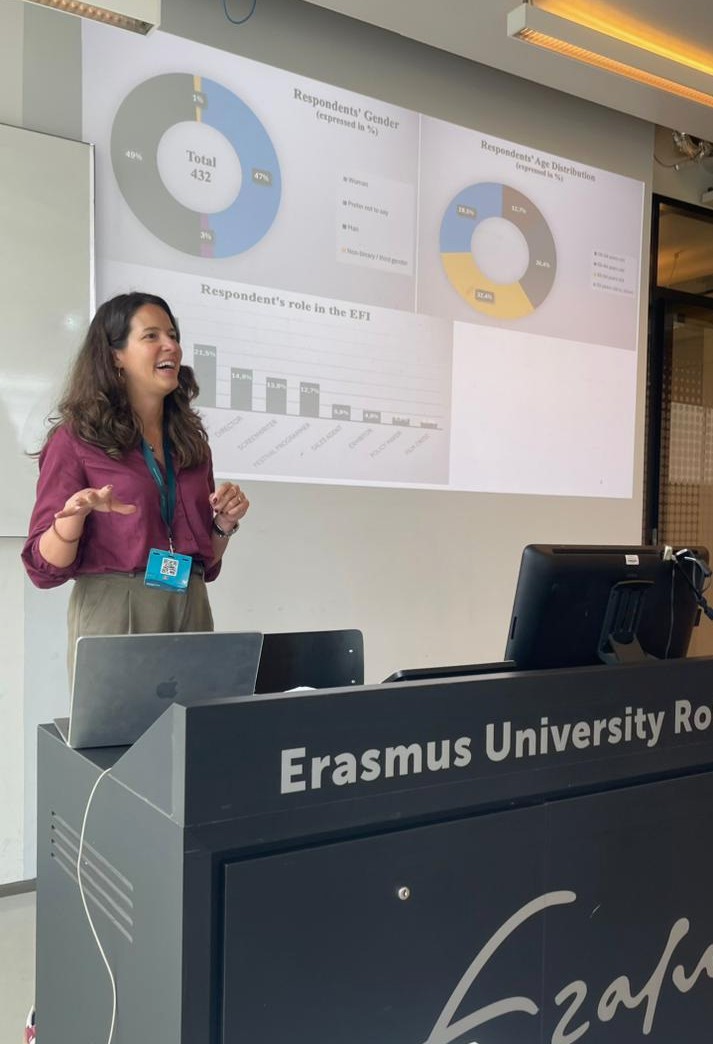
REBOOT at the 23rd International Conference on Cultural Economics (ACEI)
The REBOOT project was represented at the 23rd International Conference on Cultural Economics (ACEI), held at Erasmus University Rotterdam, June 2025 where leading scholars and policymakers gathered to explore the intersections between culture, economics, and innovation.
Gentiana Ramadani from the University of Vienna presented her paper, “Public Value and Economic Impact in the European Film Industry: A Case Study of Austria and Greece.” Her presentation explored how public value, encompassing cultural enrichment, collective identity, and social cohesion, contributes to the competitiveness of the European film industry. Drawing on comparative insights from Austria and Greece, Ramadani highlighted the diverse strategies European countries employ to align economic performance with cultural policy goals, calling for more cohesive frameworks that balance market success with cultural and social contribution.
Complementing this perspective, Antonios Vlassi and Marina Rossato Fernandos from the University of Liège presented their paper, “Defining Competitiveness in the European Film Industry: Resurgent Debates in an Evolving Technological and Economic Context.” Based on a pan-European survey and 37 in-depth interviews with film professionals, their research examined how “competitiveness” is understood from a bottom-up perspective within the sector. Their findings point to an urgent need to redefine competitiveness in European film beyond traditional economic measures, integrating dimensions of cultural diversity, creative innovation, and sustainable growth.

HISTORICIZING THE PRESENT
The “Frames of Change” conference looks back at three decades of transformations in the European film industry
On May 22 and 23, 2025, twenty researchers came together at Complutense University of Madrid to discuss the recent transformations of the European film industry. The conference Frames of Change had been organized by Fernando Ramos (UCM) and Daniel Biltereyst (Ghent University), principal researchers of the Reboot Project in Spain and Belgium, and provided a space to critically discuss the results of Lessons from the past . This report, released in February 2025, was based on the analysis of 68 in-depth expert interviews with key stakeholders in the European film industry and reflected how senior representatives from different sub-sectors and countries have experienced and reflected on key changes over the past three decades. The main aim of the event in Madrid was thus to present these findings to a broad audience of experts and academics, to engage in dialogue with fellow researchers, and to reflect on the current challenges faced by the European film industry.
After Fernando Ramos’ introduction, where some of these issues were directly addressed, Mariana Liz (University of Lisbon) presented a brilliant keynote speech entitled “Half Full: Positive Conceptions of European Cinema” . Her presentation focused on the current state of European cinema, as well as the emergence, development and growth of European cinema studies as an academic field. One of her main arguments was that “European cinema has always been in a state of crisis”, arguing for a more positive outlook on the place of the European film industry in the global film landscape. Finally, Liz underscored the necessity to develop the branch of European Film Studies in academia: European cinema is, unlike 30 years ago, a clearly defined topic and the recent technological, policy and sociocultural changes only reinforce the necessity to study Europe’s cinema in an holistic perspective.
For two days, the participants had the opportunity to listen to several experts in the history of European cinema. The thirteen presentations were organized in four panels (Policies, Production, Identities, and Audiences and Reception).
In the first of those,Marina Rossato Fernandes (University of Liège) introduced an interesting debate on its competitiveness, based on a pan-European survey and 37 in-depth interviews with EU film experts. Its results, she explained, challenge dominant assumptions of the academic literature on film competitiveness, as the findings reveal a perception towards competitiveness which is significantly influenced by the potential alignment of economic, societal and cultural values among stakeholders. This seems also to be the case in the Turkish film industry, where, according to researchers Elif Akçalı, Melis Behlil and Ruken Doğu Erdede (Kadir Has University), European funds are key for filmmakers who want to tell alternative stories or experiment with formal aesthetics. Almost all films from Turkey that do circulate globally in festivals have been European co-productions since the country’s inclusion in the Eurimages fund. As Julie Amiot-Guillouet (École Normale Supérieure de Fontenay Saint-Cloud) argued in the closing presentation of the first panel, these models are also relevant on more modest economic scales even if their viability could be questioned. Amiot-Guillouet opened the discussion on the export of a European model of auteur cinema, through cooperation instruments that make it possible to spread beyond the continent a cultural and economic model that is alternative to that of the American majors.
In the second panel, Christopher Meir (Carlos III University in Madrid) illustrated how European auteur film production has been in demand on platforms such as Netflix and Amazon Prime Video, which have become active buyers and producers in this segment of the European film industry. These productions include a number of films which were later promoted as being “impossible” to have been made otherwise, with the platforms branding themselves as patrons of the cinema and European culture. Konrad Klejsa (University of Łódź) talked about the changes in film production and film exhibition after Poland's accession to the EU in 2004. From a legal point of view, new business decisions had to be taken whereas new productions showed a clear disinterest in what was previously praised as the national cinema culture. In the same sense, Pavel Skopal (Masaryk University) showed how Czech companies operate in the European and global market and how this commercial and cultural configuration informs their strategies.
The third panel was dedicated to issues of representation and identities in European cinema, which were a priority subject for debate introduced by Emil Egenbauer (Freie Universität Berlin) who explored how the New Austrian Film’s aesthetic interventions reflect broader shifts in European cinema: the disruption of traditional production and exhibition models, the emergence of alternative programming strategies, and the confrontation of Europe’s changing social fabric. Jorge Marrero (Complutense University of Madrid) talked about how European cinema has tried to construct an identity, suggesting the existence of a broad concept of ‘European cinema’ understood as a type of diverse cinema that encompasses a variety of common themes and issues by elaborating on the case of Pedro Almódovar. Lidia Merás (Autonomous University of Madrid) addressed the issue of transnational Romani cinema in Europe in two case studies inspired on Charlie Chaplin´s legacy. Merás came to the conclusion that the differences in terms of modes of production challenge notions of a cinema that aims to transcend national borders. Finally, Imme Klages (Johannes Gutenberg University) explored how Doris Dörrie’s film work historicized a fleeting cultural moment -the 1990's decade-within the broader European cinematic context.
The last panel, focused on audiences and reception, gave Philippe Meers (University of Antwerp) the opportunity to talk about European contemporary audiences, in particular ‘small cinema countries’ audiences, who are indeed liberated of their structural-economic-technological constraints after two decades of digitalization. Meers presented the results of two large scale audience research projects conducted in 2001 and again in 2015. Also Eirini Sifaki (University of Thessaly) elaborated on this topic, more precisely on how young audiences engage with European cinema and the extent to which U.S. based streamers influence their viewing choices. Lastly, Karina Aveyard (University of East Anglia) explained how contemporary European environmental film festivals work as spaces where new patterns of integration between the textual and socio-cultural aspects of film viewing are emerging.
The final roundtable was set up as a discussion between Valeria Camporesi from the Spanish National Film Archives (Filmoteca), David Deprez , former artistic director of the art-house cinema Lumière in Maastricht, Daniel Biltereyst and Fernando Ramos. This final panel raised questions about the abundance of films, audience strategies, and all kinds of obstacles and opportunities for European cinema to grow in the future.
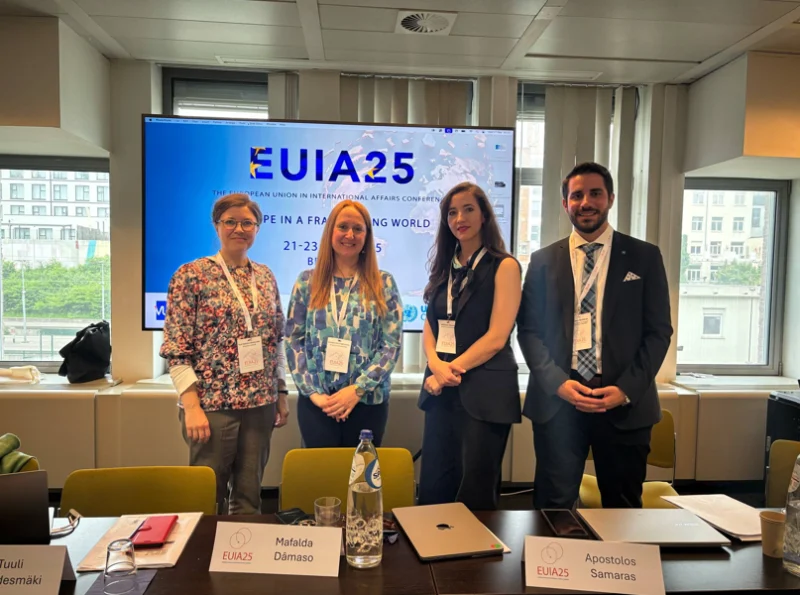
Cultural governance and EU external relations: Mapping the EU’s audiovisual diplomacy
The Hellenic Foundation for European and Foreign Policy (ELIAMEP) participated in the “European Union in International Affairs (EUIA) 2025 Conference” (21-23/5) with the panel “Cultural governance and EU external relations: The case of European film”, chaired by Laia Comerma, Postdoctoral Fellow at the Vrije Universiteit Brussel, and organised by Evangelia Psychogiopoulou, Asst. Professor at the University of the Peloponnese and Senior Research Fellow at ELIAMEP.
Apostolos Samaras, Research Fellow at ELIAMEP, presented the joint paper by Apostolos Samaras, Evangelia Psychogiopoulou, and Anna Kandyla, titled: “Governing Culture through Enlargement: Audiovisual Cooperation in the EU Enlargement Agenda”. He examined how the EU mobilizes audiovisual cooperation as a regulatory, funding, and cultural governance tool in its external relations with enlargement countries, particularly in the Western Balkans and the “Association Trio”.
Mafalda Dâmaso, Researcher at Erasmus University, presented the joint paper by Antonios Vlassis, Mafalda Dâmaso, Kaisa Hiltunen, Pauline Bissot and Solenn Houard, titled: “International Promotion of the European Film Industry: National Institutional Practices in Denmark, Finland and France in an Evolving Technological Architecture”. She demonstrated that, despite the recent turn of the EU towards international cultural relations, EU Member States remain the main actors for the promotion of their respective film industries internationally through the establishment of funds and various support schemes.
Tuuli Lähdesmäki, Professor at the University of Jyväskylä, presented the joint paper by Tuuli Lähdesmäki, Mafalda Dâmaso, Kaisa Hiltunen, Melis Behlil, Elif Akçalı, and Ruken Doğu Erdede, titled: “European Film Festivals – Balancing and Harnessing the Ambiguity of Competitiveness and Public Diplomacy”. She examined how the goals of increasing the competitiveness of European film and developing international relations between the EU and third countries are understood and addressed by European Film Festivals organisers.
Evangelia Psychogiopoulou presented the joint paper by Evangelia Psychogiopoulou, Anna Kandyla, and Laia Comerma, titled: “The EU’s external audiovisual policy with developed countries: Trade and audiovisual cooperation strategies”. She examined the ways in which the EU addresses the audiovisual sector in economic and other types of agreements concluded with developed countries, pointing to the lack of follow-through and limited implementation and impact of the Union’s audiovisual cooperation provisions included in such agreements.
Caterina Carta, PhD Director of the Brussels School of Governance and Research Professor at the Centre for Security, Diplomacy and Strategy of the BSoG, served as discussant and offered insightful comments. This was followed by questions from the audience and an interesting discussion between the speakers and the attendees.
The presentations were based on research conducted under the EU-funded REBOOT Horizon Europe project.
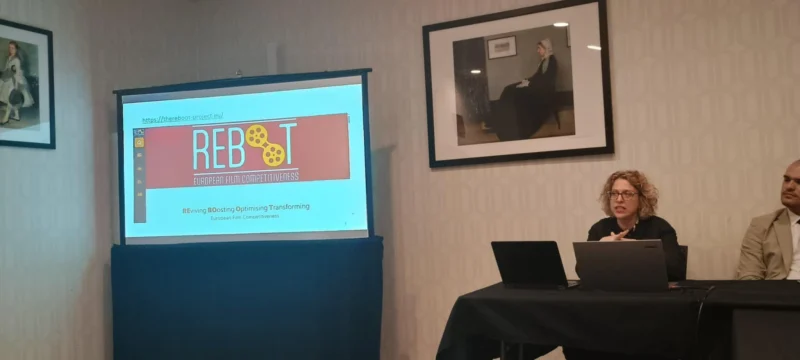
REBOOT research results in the international context
In the framework of REBOOT project REBOOT project, Evangelia Psychogiopoulou and Anna Kandyla participated in the 19th Biennial Conference of the European Union Studies Association (EUSA), held on May 8-10, 2025, in Philadelphia (PA). They contributed to the panel titled ‘The EU’s Engagement in Trade, Investment, and Antirust’ with a presentation on ‘EU External Trade Policy, Development and the Cultural Sector: An Impossible Nexus?’.
The presentation examined the enduring tension between trade liberalization, development policy, and the protection of cultural diversity, focusing particularly on the audiovisual sector. It analyzed how, following the adoption of the UNESCO Convention on the Protection and Promotion of the Diversity of Cultural Expressions, the EU began to develop new approaches to integrating culture into its external economic relations. A notable example was the 2008 Economic Partnership Agreement (EPA) between the EU and the Cariforum countries, which featured a Protocol on Cultural Cooperation annexed to it. However, the presentation highlighted that despite its promising design, the Protocol did not manage to enhance audiovisual cooperation between the EU and the Cariforum countries. It also assessed whether EU instruments supporting cooperation through funding, particularly the NDICI–Global Europe instrument, might be more effective.
The presentation is based on research conducted by ELIAMEP under the REBOOT project, focusing on EU law and governance related to the European film industry in the international scene.
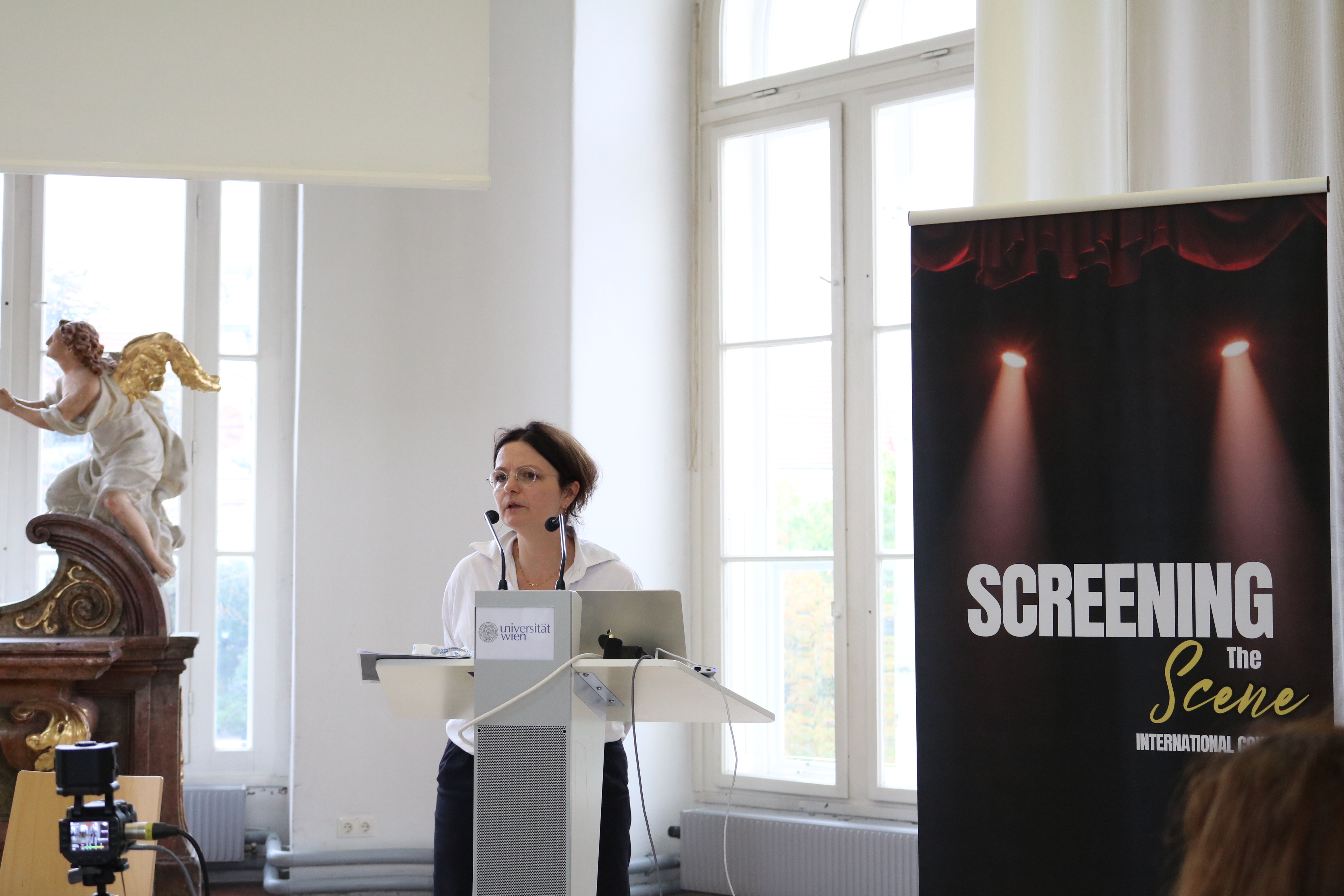
Democracy, ecology, culture: three interdependent battles for a competitive Europe
A reflection by Juliette Prissard, General Delegate of Eurocinema and REBOOT Advisory Board Member
The 2024 European elections and Ursula von der Leyen's reappointment as head of the Commission marked a key moment to rethink the links between culture, democracy, and ecology. These three areas, often addressed separately, are nevertheless closely linked and crucial to the future of the continent and its competitiveness. For it is culture that shapes soc iety and supports democracy in a context of ecological and technological upheaval.
During her first term, Ursula von der Leyen focused her policy on digital technology and ecological transition. However, while the audiovisual industry was encouraged to reduce its emissions, the Commission remained hardly silent on the colossal energy footprint of digital technology, particularly artificial intelligence. I would add that the cultural dimension of ecology—the role of stories, images, and works of art in raising awareness—has been (and remains) largely ignored. Yet culture, which is omnipresent in our societies, contributes powerfully to the formation of the collective imagination and the transformation of behaviors.
“Art” produces works, and “culture” refers to our relationship to these works and how we interpret them. Culture is therefore alive, evolving, and reflects changes in society. It is not frozen in tradition: it thrives on debate, disagreement, and the confrontation of different points of view. Inthis sense, culture is the "factory of dissent," which is essential to a pluralistic democracy. Without free and diverse culture, there can be no authentic democracy, because it is through artistic creation that the multiplicity of voices and criticism of power are expressed.
Democracy and freedom of creation are therefore interdependent. The former provides the space necessary for artistic expression, while the latter nourishes democratic vitality by constantly questioning certainties and hierarchies. But these two pillars are now threatened by numerous authoritarian and illiberal abuses. Digital technology, which has become the new agora, amplifies these dangers. Social networks, dominated by a few large companies, shape public opinion through opaque algorithms. The ideal of a free internet has been transformed into a space controlled by a transnational oligopoly, which data-capture logic jeopardizes both democracy and cultural diversity.
In this deregulated technological universe, creation is increasingly equated with technological innovation rather than artistic expression. This shift reduces the critical and political significance of culture. Yet at a time when humanity is facing an ecological crisis, resource scarcity, major geopolitical confrontations, and the effects of global warming, society will need all its critical and creative capacities to rethink its relationship with the world.
Culture, democracy, and ecology thus form an inseparable triptych for a free and competitive Europe. Without freedom of creation, there can be no true democratic debate, let alone economic debate; without critical culture, there can be no ecological awareness; without a vibrant democracy, culture and ecology become tools for the production of data! It is in art, storytelling, and critical thinking that we find the key to a Europe that is competitive, but also human and sustainable.

Film preferences of Finnish youth: REBOOT at the Finnish Society for Cinema Studies seminar
Studies Seminar
Senior researcher Kaisa Hiltunen from the University of Jyväskylä represented the REBOOT-project in the seminar of the Finnish Society for Cinema Studies in Helsinki on 7 November 2025. The annual seminar brings together leading Finnish film scholars, doctoral students and others interested in film studies to discuss current research. The seminar is known for its encouraging and inspiring atmosphere, and it has been held since the early 2000s.
In her presentation Kaisa Hiltunen discussed the film preferences of the Finnish youth and their hopes for future cinema based on the survey and focus group interviews which were carried out in the REBOOT-project in 2024 and 2025. Her presentation focused on the Finnish data and more specifically on favourite films and genres as well as on the elements that young people consider important in films. She also discussed the hopes that young people have for the future of cinema and their thoughts on European cinema.
The presentation aroused a lot of interest. The findings were considered “a reality check” and “eye-opening”, and it was hoped that the results would be communicated to the Finnish public. Following the presentation, there was a lively discussion about topics such as the short attention spans of youth, the inability of some children to concentrate on watching full-length films and the declining cinema attendance of the Finnish youth.
There are no restrictions on the topics of the presentations at the seminar, but this year it just so happened that seven out of eight presentations were about Finnish cinema or Finnish film industry. Presentation topics included the possibilities for ecologically sustainable film production in a small country’s production ecosystem, depictions of sex and sexual desire between women in Finnish cinema and the art theories of Ricciotto Canudo and Valentine de Saint-Point.
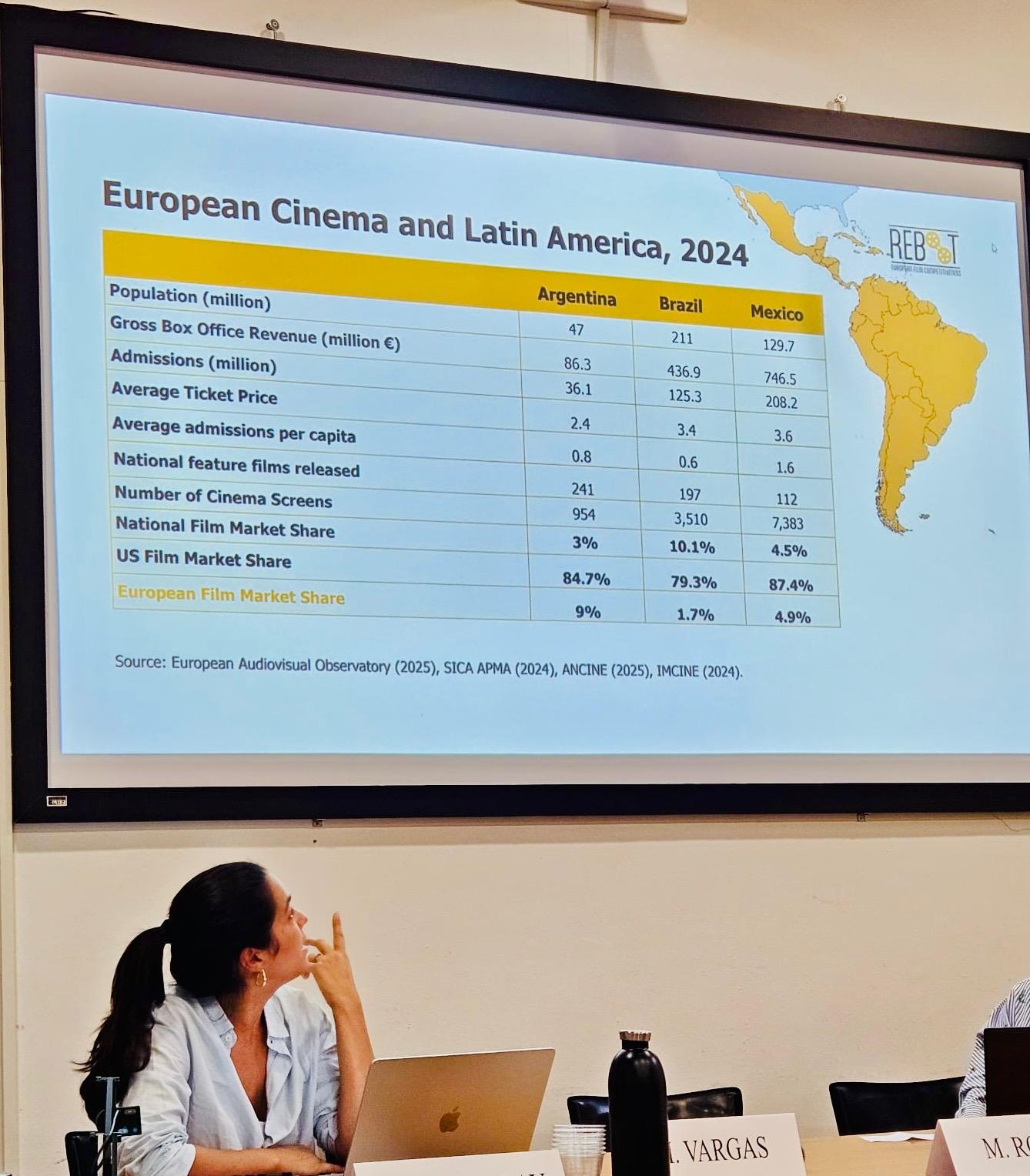
REBOOT at ECREA 2025: Exploring film and television in the streaming era
How are streaming platforms transforming the way films and television are made, distributed, and watched? This question took centre stage at the ECREA Film Studies and Television Studies Sections Conference 2025, held on 8-9 September at the University of Bologna, where members of the REBOOT project joined leading scholars and industry professionals from across Europe.
The conference “Film and Television’s Transformations in the Streaming Era: Reconceiving Aesthetics, Narratives and Forms,” provided a vibrant space to debate how digital platforms are reshaping audiovisual storytelling and audience engagement.
Isabela Vargas Miranda from Carlos III University of Madrid (UC3M), howcased research conducted within the REBOOT project. Her presentation, “SVoD Services in Latin America: Perspectives from Key Markets, Lessons for Europe,” offered a comparative look at the fast-evolving streaming landscape in Latin America and what European policymakers and creators can learn from it.
With discussions ranging from cultural circulation to algorithmic visibility and creative economies, the event highlighted REBOOT’s ongoing contribution to understanding the shifting power structures of the global film and television ecosystem.
Meanwhile, Marina Rossato Fernandos from the University of Liège (ULiège) presented “Dependency or Development? European Film Professionals’ Perceptions of SVOD’s Impact,” which examined how European film professionals perceive the growing influence of US-based VOD platforms on the European Film Industry (EFI). Drawing on interviews and survey data, the presentation revealed that while initial expectations around global exposure and investment were optimistic, professionals have become increasingly critical. Concerns include intellectual property retention, creative autonomy, and the long-term sustainability of European production ecosystems.
Through these contributions, REBOOT reaffirmed its commitment to understanding the intersections of policy, technology, and creativity in Europe’s evolving media landscape. The project’s participation at ECREA highlighted how research can bridge cultural analysis and policy design—essential for navigating the challenges of the streaming era while safeguarding Europe’s cultural diversity and creative independence.
Reboot in the European Law Unbound Society Annual Conference, 25-27 September 2025, Prague
Evangelia Psychogiopoulou, ELIAMEP Researcher and Assistant Professor on EU institutions and policies at the University of Peloponnese, gave a presentation titled “Governing Culture through Funding in the EU” at the Annual Conference of the European Law Unbound Society, held on 25-27 September 2025 in Prague. The presentation was part of the panel “Governing through Funding in the EU”.
Her presentation considered the role of EU funding in shaping EU cultural governance. She provided an overview of EU funding measures encouraging cultural cooperation between Member States and their professionals and discussed their contribution to the shaping of EU cultural policy in terms of the objectives pursued, the actions eligible for funding and the European added value of EU support in this field. These points strike at the heart of REBOOT’s research agenda, considering the analysis carried out regarding the role of EU funding in supporting the competitiveness of EU audiovisual works in third countries as a key objective.

Mapping young filmmakers’ struggles in the European market
In August 2025, the University of Vienna Team represented REBOOT at the Mid-term conference of the European Sociological Association, that took place 28-30 August 2025at the Faculty of Social Sciences, University of Ljubljana, Slovenia under the theme „Communication and Capital(ism)“.
As part of the „Labor and Precarity in the Digital Economy“ panel, Simon Haslauer and Angeliki Chatziefraimidou presented the paper “I feel like I slip through the cracks”: Young Filmmakers in the European Film Industry, co-authored with Katharine Sarikakis, Gentiana Ramadani and Mariia Yeroshkina.
The paper addresses the problem of young filmmakers struggling to navigate the European film industry (EFI) due to its "make up" and the gap in academic research on the state of young people in the EFI, especially their transition to seeking employment in the sector.
By interviewing young filmmakers living in the European Union and discussing their lived experiences in relation to existing EU policy, the researchers highlighted the extent to which current policies support or hinder young filmmakers’ professional development: They face multiple interconnected challenges that hinder their professional development and cultural contribution. Precarious working conditions create substantial barriers to entry and sustainability in the field. While EU and state funding exists, restrictive criteria and national boundaries create obstacles.
Young filmmakers perceive that success in the European film industry frequently depends rather on established networks than on talent or merit alone, reproducing patterns of exclusivity and systemic inequality, as socioeconomic background, gender, and limited access to resources continue to limit meritocracy.
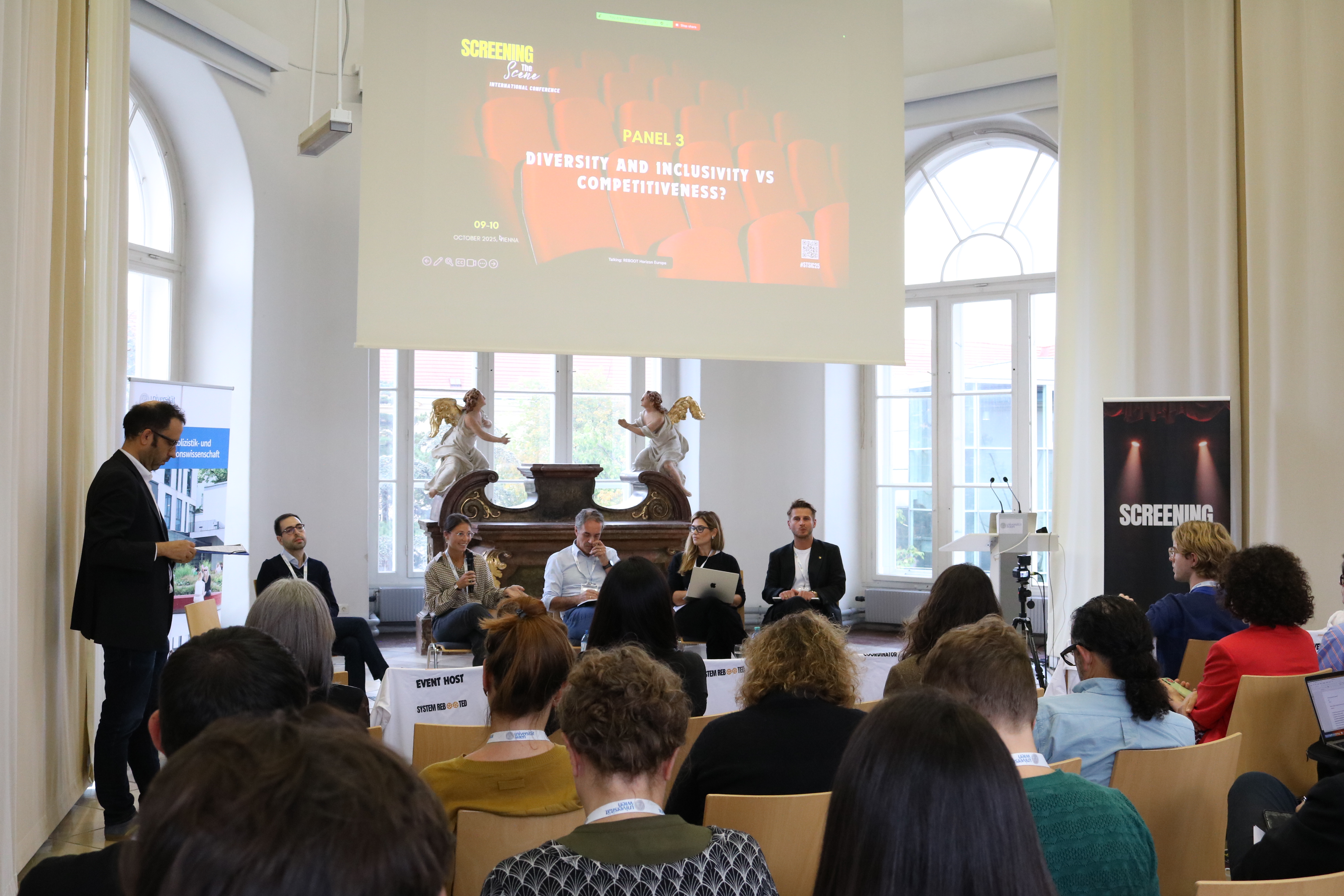
A system built to fail its filmmakers?
The REBOOT project hosted its closing conference in October 2025, bringing together more than 70 scholars from 19 nationalities and featuring 37 research presentations. Over two days, the event showcased the results of three years of collaborative work, during which researchers collected and analysed extensive data on the European film industry. The discussions that unfolded offered valuable insights and pointed to the profound tensions shaping the sector today.
From the outset, the conversation gravitated toward the growing disconnect between ambition and reality in European filmmaking. Speakers described contemporary pitching forums and film markets as “temples of illusions,” spaces built around the logic of capitalist exchange despite the diminishing availability of actual capital. This observation set the tone for a broader reflection on how creative aspirations are often welcomed into institutional spaces where financial foundations have quietly eroded.
The conference brought together academics, filmmakers, policymakers, and industry professionals for a critical exchange on the future of European cinema. With streaming platforms reshaping distribution, artificial intelligence transforming production workflows, and calls for diversity and inclusion becoming increasingly urgent, participants examined what competitiveness means for Europe’s cultural industries today.
The programme featured keynotes, policy discussions, and thematic panels exploring the intersections of people, technology, and institutions. Central themes included the position of European film in global markets, youth audiences and their evolving preferences, the challenges faced by those working at the fringes of the industry, the impact of streaming and AI and the legal and policy frameworks shaping Europe’s cultural sovereignty. Distinguished speakers and guests included Roland Teichmann, Director of the Austrian Film Institute (Austria) Juliette Prissard, General Delegate of Eurocinema (Belgium), Katharina Schenk, Head of Fiction, ORF Austrian Broadcasting Corporation (Austria) Rodrigo Gomez, Professor, Universidad Autónoma Metropolitana-Cuajimalpa (Mexico).
Under the leadership and moderation of Professor Katharine Sarikakis, Director of the Media Governance Lab and REBOOT Coordinator, the conference became a space for meaningful dialogue and collective reflection. It offered an opportunity for scholars and industry stakeholders to rethink how a more resilient and equitable future for European cinema might be imagined and built.
Throughout the sessions, one issue repeatedly surfaced; the sector offers almost no incentives for long-term thinking or audience development. Participants argued that this absence of strategic vision is not a minor administrative gap but a structural obstacle that restricts the industry’s capacity to adapt to social and technological change. In a system with limited encouragement for experimentation, sustainability, or community-building, European cinema risks reinforcing its own limitations.
This tension between aspiration and constraint was especially apparent in discussions on talent development. Drawing on examples from national mentorship programmes, participants noted that even well-designed initiatives can inadvertently discourage creative risk-taking. Young filmmakers often enter such programmes with bold ideas but quickly adjust their work to align with institutional expectations that reward safety and familiarity.
Questions of power and privilege featured prominently as well. Speakers underscored that access to funding continues to depend heavily on pre-existing networks, informal norms, and Eurocentric standards that determine who enters and who remains outside the industry. Film education was criticised for perpetuating closed circles, connecting primarily those already linked to the sector and thus limiting the diversity of voices represented on screen.
A particularly charged debate centred on regulation, financing, and creative freedom. Contrary to the perception that regulation restricts artistic expression, several participants emphasised that well-crafted frameworks can protect and empower creators, particularly those without financial safety nets. Pre-financing emerged as the most crucial mechanism where without it, creative risk becomes a privilege accessible only to those who can afford failure. Economic insecurity pushes young filmmakers toward self-censorship, encouraging them to produce content they believe will be “liked” rather than to explore innovative or challenging ideas.
In this light, regulation is not merely administrative, it becomes a tool for safeguarding artistic risk. Fair funding structures, equitable labour conditions, and transparent decision-making processes can shift the burden of uncertainty from individual creators to institutions better positioned to manage it.
As discussions came to a close, one central question resonated across the room; who will pre-finance the films of tomorrow, the films that might first emerge on digital platforms, outside traditional markets, so that creators have the freedom to take risks? This question amounted to a call for financial innovation and a rethinking of institutional responsibility within the European film ecosystem. Without new mechanisms to support risk at the earliest stages, the future of Europe’s cultural diversity and its global competitiveness remains uncertain.
In the end, the Reboot conference made one thing clear. The European film industry and its future will depend on whether institutions, funders, and policymakers are ready to rebuild systems that not only recognise the challenges of risk, inequality, and technological disruption, but actively work to overcome them.
Conference programme announcement
Conference programme announcement
The final programme for the Screening the Scene: Rethinking European Film Competitiveness is here!
9–10 October 2025
Alte Kapelle, University of Vienna; Spitalgasse 2
Free Participation - Few spots left
Registration here
REBOOT Podcast Episode 2
EU Film Policy in the Algorithm Age: Quotas vs. Automation
From traditional screen quotas to new rules for algorithms, the European Union is shaping the future of European cinema in ways that go far beyond the big screen. But how do these policies actually work ? Will they help European films stay visible and competitive in a world dominated by streaming platforms and automated recommendations?
In this episode of the #RebootPodcast, we sit down with legal expert and researcher Pelin Turan, Legal expert and academic researcher at Scuola Superiore Sant’Anna - Pisa, Italy, to unpack the strategies designed to boost cultural diversity, ensure fair visibility and adapt film policy to the realities of the digital age.
We explore the world of recommender systems, examining how they influence what films reach audiences, the challenges of the “black box” problem and the EU’s approach to making European stories easier to find in the age of algorithms.
Listen now
#RebootEFI #RebootPodcast #Europe #Cinema #FilmIndustry
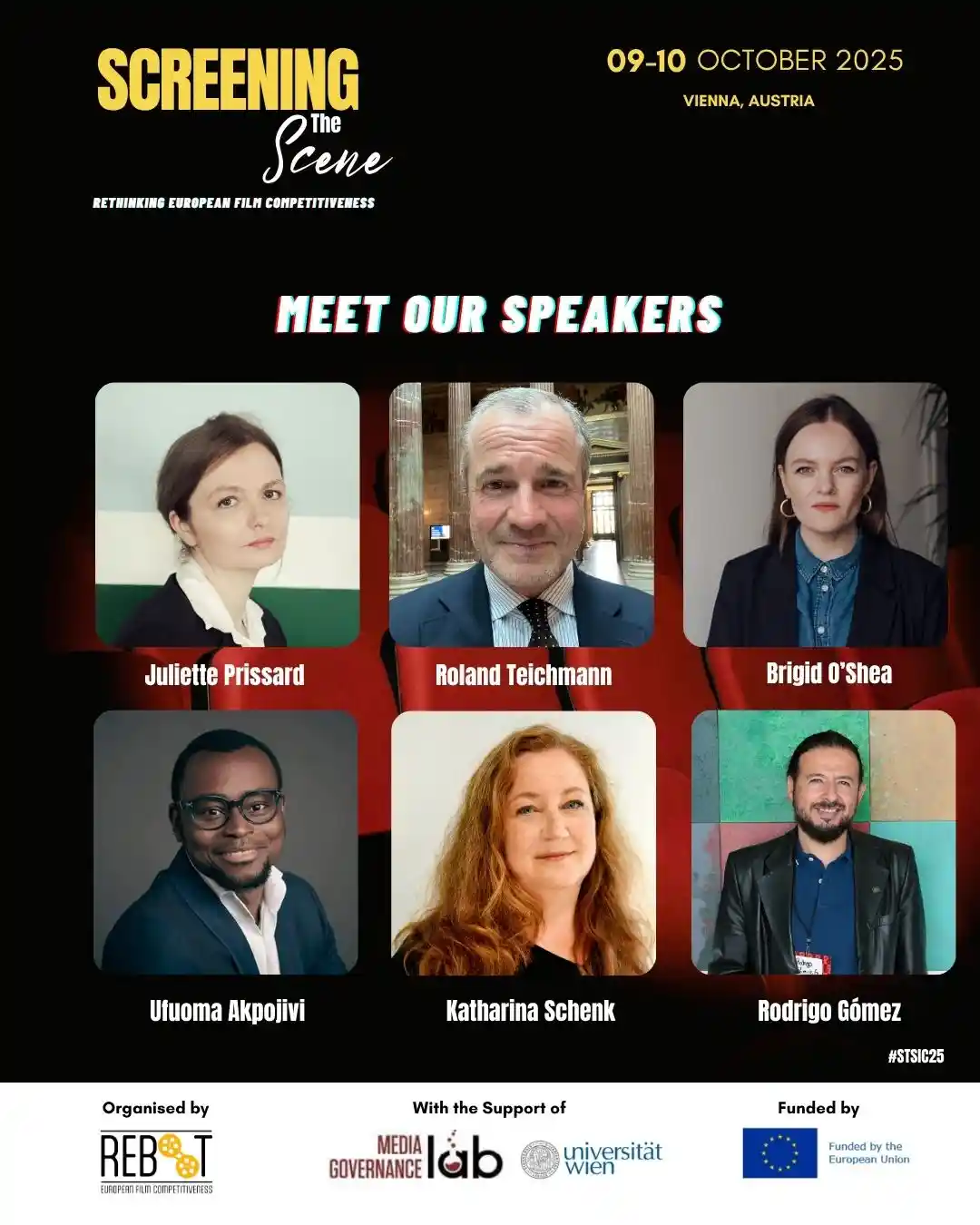
Screening the Scene: Rethinking European film competitiveness
The Speakers
We are pleased to welcome our conference speakers whose professional backgrounds and institutional affiliations reflect the key themes of this conference. From the perspective of national film policy and funding, Roland Teichmann, Director of the Austrian Film Institute, brings a deep understanding of how public institutions shape and support the European film ecosystem. As Director of ORF Television Film, Katharine Schenk is positioned at the heart of public broadcasting, offering insights into commissioning practices and the role of television in sustaining European storytelling.
With an academic lens, Rodrigo Gómez, Professor at Universidad Autónoma Metropolitana-Cuajimalpa, contributes expertise on global media structures, platform governance, and the changing dynamics of the audiovisual sector. Ufuoma Akpojivi, who leads Policy Research and Learning at Advocates for International Development (A4ID), brings a focus on inclusive policy design and the relationship between cultural production and social justice. Representing the voice of the European film and television industry, Juliette Prissard, General Delegate of Eurocinema, works at the intersection of regulation, advocacy, and industry strategy at the European level. Finally, Brigid O’Shea, as Director of the Documentary Association of Europe, brings an independent and transnational perspective on documentary practice, collaboration, and alternative production models.
Together, they reflect the diverse institutions and approaches needed to understand and reimagine the future of the European film industry.
Save the dates: 9 and 10 October 2025
Screening the Scene: Rethinking European film competitiveness
Call For Contribution (Download the Pdf for more info)
As streaming platforms challenge traditional distribution, AI reshapes storytelling and production processes, and as underrepresented communities continue to push for visibility and participation, the question is no longer whether the European film industry must adapt, but how, and who gets to lead the change.
Rebooting the industry requires an intersectional approach, one that considers the dynamic role of people (creators, audiences, and different groups), technological innovation (AI, digital platforms, XR), and institutions (festivals, funding bodies, policy frameworks). This conference will be a space for critical exchange, bold ideas, and collaborative futures.
Areas of interest
We welcome contributions that address, but are not limited to, the following themes:
• What is film industry competitiveness?
• European policy/legal frameworks concerning the European film industry (e.g. copyright law, public support and European funding frameworks, media/entertainment law, platform regulation and content moderation, protection of minors).
• The role of children & youth for the European film industry as creators and audiences.
• Bringing overlooked European films into the spotlight (e.g. alternative film festivals, alternative film modes of film production, collectives, centre vs. periphery in European film industries)
• European distribution & new technology (e.g. streaming platforms and digital disruption)
• Innovative storytelling (e.g. AI/VR/XR, interactive formats)
• The interplay of generative AI and filmmaking (e.g. working conditions of creative workers, AI and ethical creativity, AI literacy and cultural industries)
• Representation and inclusion in the European film industry
• New narratives by women, youth, diaspora, and intersectional identities
• Gender and the European screen industries
• European film festivals as spaces of resistance and cultural diversity
• Training, access, and equity in the European film workforce
• Governance, sustainability and democratic participation in the audiovisual sector
Submission Guidelines
Abstracts (300-400 words) should be accompanied by a short bio (max. 100 words each).
Panel proposals (ca. 60 minutes) must include a panel title, brief rationale (max. 300 words), and details of 3-4 speakers.
Abstracts must be submitted here
Panel proposals must be submitted via email: info@thereboot-project.eu
Film literacy in Spanish schools: a challenge yet to be solved
Movie consumption among young people in Spain remains alarmingly low: only 10% of teenagers aged 14 to 19 went to the cinema in the last year and only 13% of young people aged 20 to 24 decided to see a film on the big screen (Statista, 2025). This worrying situation has been addressed by public policy makers in Spain from various perspectives, although a better coordination among all iniciatives and the stakeholders involved is still needed.
From the interviews conducted by the Reboot project researchers with institutional representatives from Spain's highest cultural and film institutions, it is clear and evident that to develop a systematic audiovisual literacy strategy in Spanish high shools in not an easy assignment.
There are some joint initiatives that have been running for years in the public sector, such as the one developed by the Cervantes institute and the Spanish Film Academy (Academia de las Artes y las Ciencias Cinematográficas), which encourages students to watch and analyze Spanish films released in the last thirty years. The goal is to introduce young audiences to quality films in a cultural environment that strengthens their connection with cinema.
“Last year, we carried out a project with the Spanish Film Academy on audiovisual literacy in schools. Students would go to the Academy or here (Cervantes Institute), watch a film, and then start a debate. One day, they were shown “The Day of the Beast,” and one of them said: “well, it´s not bad for an old film”.
(Film and audiovisual technician at the Cervantes Institute)
However, experts are more in favor of setting up a broader and more far-reaching film literacy strategy. As a renowned member of the Spanish Film Academy points out, action is needed on several fronts to ensure film literacy reaches all young Spaniards. First, it is necessary to stimulate political commitment on this issue, which has been neglected for years by many governments. It is also necessary to properly train the teachers at schools, to allocate sufficient funds to perform this task and to efficently coordinate actions between Spain´s different education systems.
"No government has taken the responsibility of developing film literacy seriously. For instance, who will train the teachers? It wouldn't be that difficult, but some educational responsibilities have been transferred to the regional governments, and relevant agreements would have to be reached with the central government. Furthermore, there are no Budget resources available".
(Film critic and member of the Spanish Film Academy)
REBOOT Podcast Episode 1
Streaming Europe: How VOD is Reshaping National Film Industries
In the premiere episode of the Reboot Podcast, media scholars Loreto Corredoira and Fernando Ramos dive into how the rise of Video-on-Demand (VOD) is reshaping national film industries across Europe. From the dominance of US platforms to the fragmentation of the EU media landscape, this episode explores the intersection of policy, creativity, and competition in a digital age. What are the key challenges and opportunities facing European film? Tune in for fresh insights and critical reflections on the future of filmmaking in Europe.
Listen now
#RebootEFI #RebootPodcast #Europe #Cinema #FilmIndustry
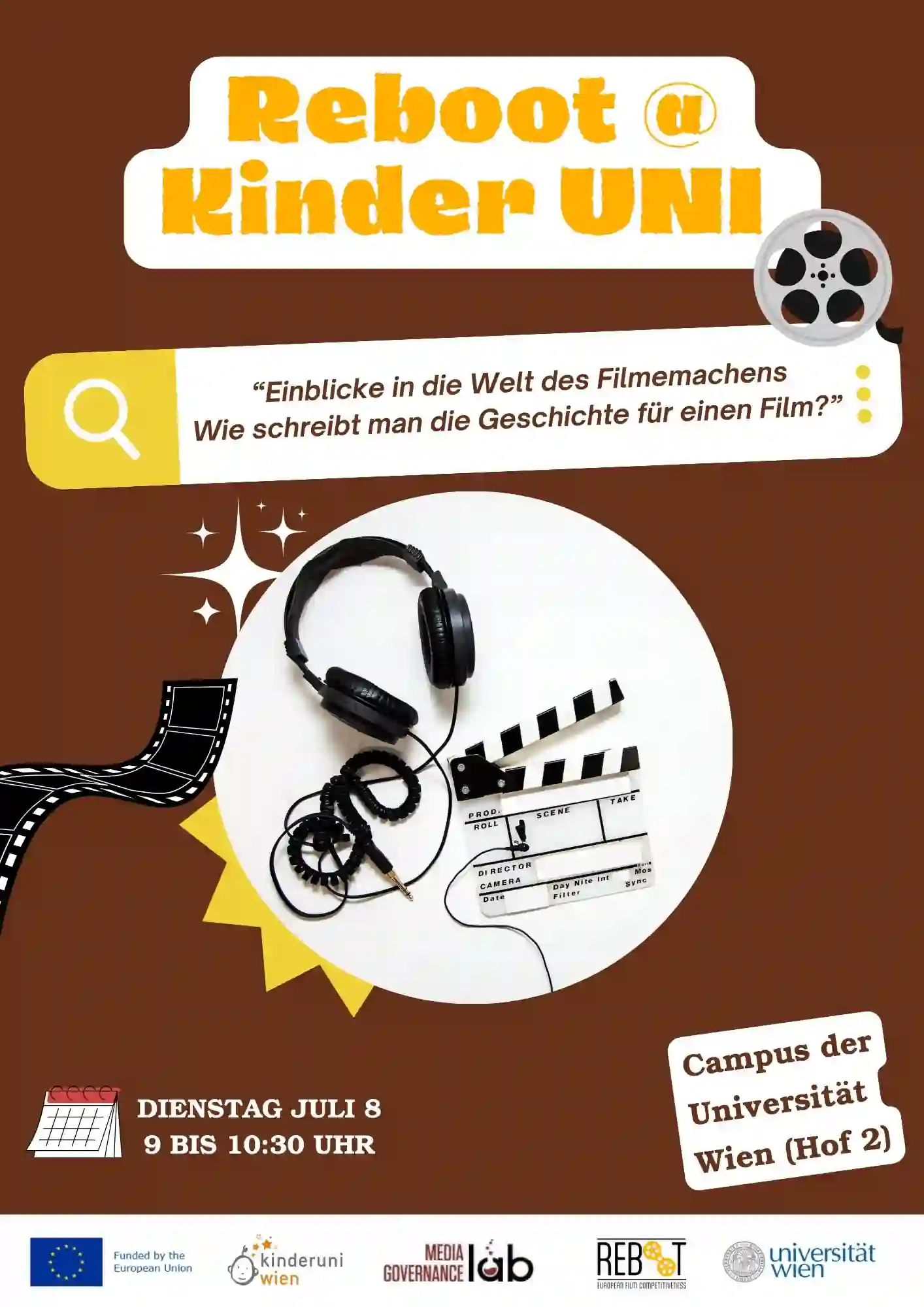
REBOOT At Kinder Uni : Sequel 2!
For the second year in a row, the REBOOT team is proud to announce its participation at the Kinder Uni 2025! This year, we are hosting an immersive film scripting workshop on July 8th, titled: “ Insights into the world of filmmaking: How do you write a film story?” tailored for young creatives aged 7 to 12 at the University of Vienna’s Campus.
The Kinder Uni, one of Europe’s largest children’s universities (operating since 2003), opens its doors for two weeks every year, inviting children to explore the future and experience the university world through its lively motto: “ We turn the university upside down!”
Do you love films and have perhaps ever wondered what it would be like to make a film yourself? In this workshop, we will take a look behind the scenes: working in teams, children will invent their own story for a film! Where should it be set? What happens? And which characters will appear? Through this playful and collaborative approach, participants will begin to understand how film stories are built from the ground up.
The workshop combines education with entertainment; participants will gain confidence, teamwork skills, and a deeper appreciation for storytelling, all while working with adapted professional tools designed for young minds. Via this unique platform, we share insights and findings from our ongoing research project with the community - planting the seeds of cinematic passion, showing children the magic of European films. Through creative play, we are building tomorrow's engaged audiences and filmmakers! Find out more about our previous workshop here .
#reboot #kinderuniversität #kinderuni #univie #kinderuniwien #kids

REBOOT at Cannes 2025. Young Voices, Global Conversations. A Call for Change.
At the heart of this year’s Marché du Film in Cannes, the REBOOT project made a meaningful appearance with a special presentation addressing the future of European cinema through the lens of its youngest audience, its most underrepresented creators and international perspective on circulating European films in Latin American markets.
Before an audience of international stakeholders, professionals, and policymakers, Professor Katharine Sarikakis from the University of Vienna and coordinator of the REBOOT consortium, took the stage to share early findings from a major research initiative spanning eight European countries and one non EU country. The panel, “Circulation of European Films: Youth Preferences” held on May 15th 2025, highlighted how teenagers and young adults across Europe engage with, perceive, and value European cinema.
The data behind the panel is drawn from one of the most extensive research efforts of its kind: a survey of 4,000 young people aged 12 to 24 and group interviews with 587 participants in Austria, Belgium, Finland, France, Greece, Italy, Poland, Spain, and Turkey. The project investigates not only what young people watch, but also how they understand and interact with European content.
The early findings suggest a complex picture. While there is still an appreciation for European films, in Austria for instance, they are often seen as more realistic or socially grounded, young audiences overwhelmingly gravitate toward global productions, particularly from the United States (33.5%), the United Kingdom (23.3%), Japan (16.3%), France (15.3%), and Italy (11.6%). These preferences reflect both market saturation and cultural appeal, and signal the challenges facing European cinema in cultivating deeper loyalty among young viewers.
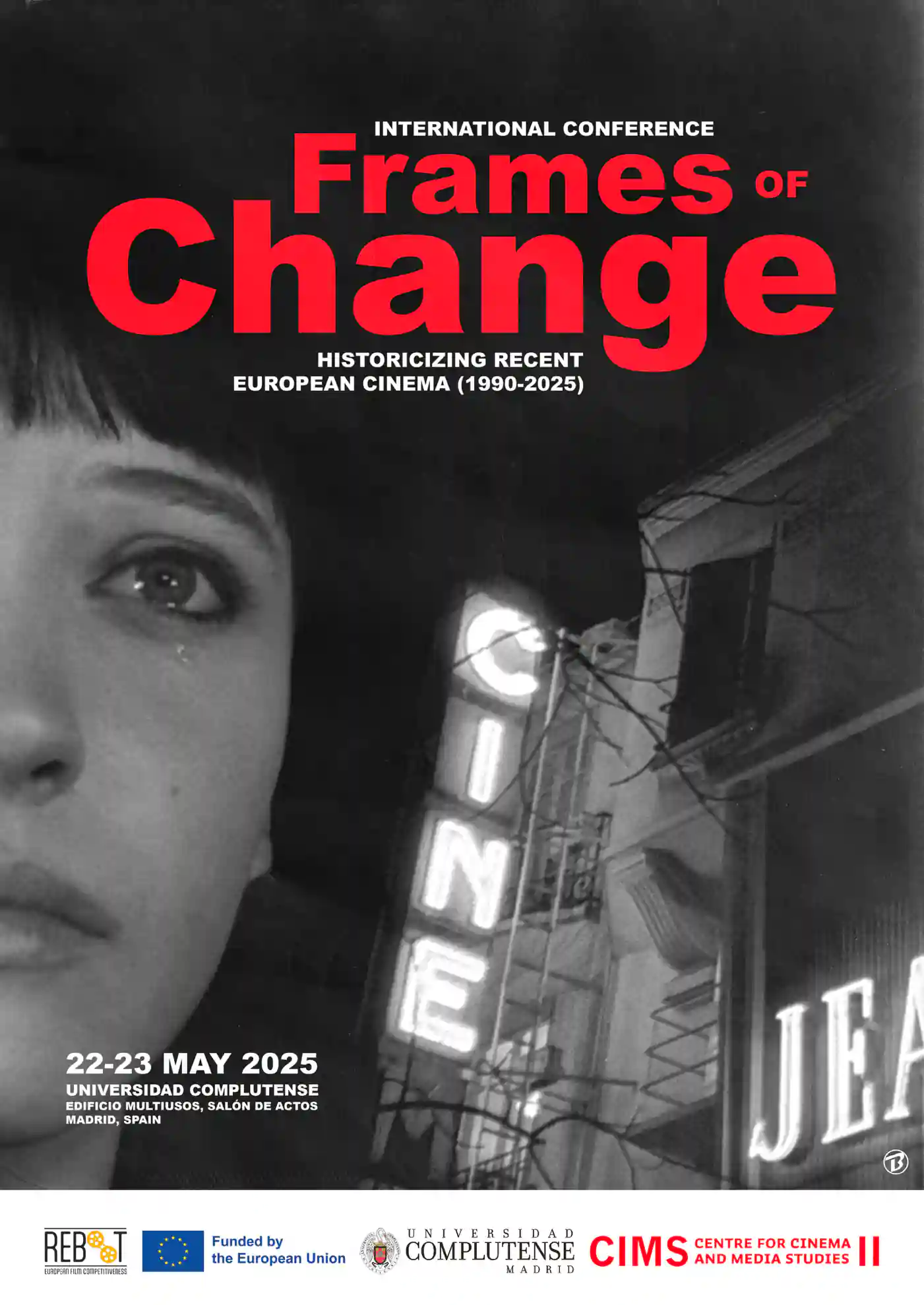
International Conference Frames of Change: Historicizing Recent European Cinema (1990–2025)
News : International Conference Frames of Change: Historicizing Recent European Cinema (1990–2025)
Dates: 22–23 May 2025.
Location: Universidad Complutense, Madrid, Spain.
At a pivotal moment for Europe’s cinematic landscape, the International Conference Frames of Change 2025 arrives to ignite critical conversations and collaboration across borders. Organised by the REBOOT Consortium, this landmark event brings together scholars, researchers, and industry professionals from across the continent to explore how European cinema can respond to and evolve within a rapidly transforming global media environment.
With panels addressing key themes such as policy, production, identity, and audience reception, the conference delves into the challenges and opportunities facing European cinema today - from navigating digital platforms and global competition to redefining cultural identity and audience engagement.
Through keynote speeches, expert discussions, and collaborative roundtables, Frames of Change offers critical insights into the future of European film, aiming to foster dialogue, innovation, and transnational cooperation in support of a more competitive and culturally diverse audiovisual landscape.
Introducing the Reboot Podcast: Shaping the Future of European Film
The new initiative offers a timely and in-depth exploration of the key challenges and innovations shaping contemporary European cinema. The Reboot podcast , through thoughtful conversations with leading voices from across the industry, examines how the European Film Industry (EFI) is adapting to a rapidly changing global context addressing questions of identity, distribution, policy, creativity, and the future of filmmaking in a digital age.
Reboot Podcast ?
The Reboot podcast is designed to dive deep into the complexities of European film, examining everything from cultural identity and distribution to technological innovation and the changing dynamics of global competition. It delves into the multifaceted landscape of European cinema, exploring a wide range of topics critical to the future of the European Film Industry (EFI). Episodes will tackle the evolving concept of European identity in film, examining how globalisation and co-productions challenge traditional boundaries. The podcast will also explore key industry issues like distribution, competition with Hollywood, and the changing dynamics of film festivals and streaming platforms. Discussions will cover the economics of European film production, the role of EU policies in promoting cultural diversity and sustainability, and the impact of emerging technologies such as VR, AI, and blockchain on filmmaking. From legal constraints to audience preferences, the podcast will address the challenges faced by non-mainstream filmmakers, the shifting tastes of younger audiences, and the need for innovation to stay competitive in a globalised market. Each episode features insights from industry experts, filmmakers, and policymakers, providing listeners with a comprehensive understanding of the complexities and opportunities shaping the future of European cinema.
The first episode will be broadcast in May 2025.
Stay Tuned!
“Meetings on the Bridge”: Rethinking European cooperation, copyright and competitiveness at Istanbul Film Festival
The current EU legal regime, though comprehensive, continues to suffer from a lack of harmonisation, particularly around the definition of authorship and the complex web of terms and systems governing the use of content in ‘secondary Windows’ such as Video-on-Demand and other online platforms. Added to this are systemic challenges including unstable exchange rates, bureaucratic inefficiencies, and politicized domestic support structures, all of which were highlighted as major obstacles for filmmakers. Moreover, cultural and communication barriers often complicate co-production partnerships. Professionals voice a clear call for more flexible and adaptive policy frameworks, particularly in light of recent reforms introduced by Eurimages, and urged for revisions to minimum spending requirements, which currently hinder many from participating in international co- productions. These were among the most discussed issues at the 20th edition of “Meetings on the Bridge,” the industry platform of the Istanbul Film Festival.
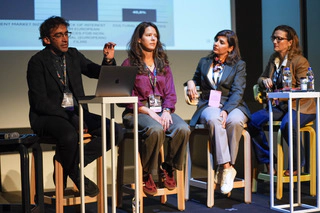
On 15 April 2025, the REBOOT Project was presented by researchers Melis Behlil (KHAS University), Pelin Turan (SSSA), Marina Rossato Fernandes, and Antonios Vlassis (ULiège). The event took place at Hope Alkazar, a former cinema turned cultural venue in central Istanbul, drawing filmmakers, producers, and researchers into a timely and critical discussion about the challenges shaping today’s European film industry.
Moderated by Yamaç Okur, a well-known Turkish producer with extensive experience in European co-productions, the session presented key findings from REBOOT’s ongoing research, which includes international surveys and interviews with film professionals from across and beyond Europe. The conversation navigated structural challenges, policy inconsistencies, copyright issues, and cross-border collaborations, framed through the perspectives of both EU and non-EU professionals.
Antonios Vlassis and Marina Rossato Fernandes shared insights from a pan-European survey and 37 expert interviews on how film professionals across the EU perceive the rise of AI and the growing influence of Video-on-Demand (VOD) platforms. The presentation explored both the opportunities and challenges professionals identify in engaging with these technologies—from enhanced creative tools and broader distribution channels to concerns about intellectual property, market concentration, and artistic autonomy. The findings highlight a critical need for policy frameworks that better reflect on-the-ground realities and support a sustainable, diverse European film ecosystem in the digital age.
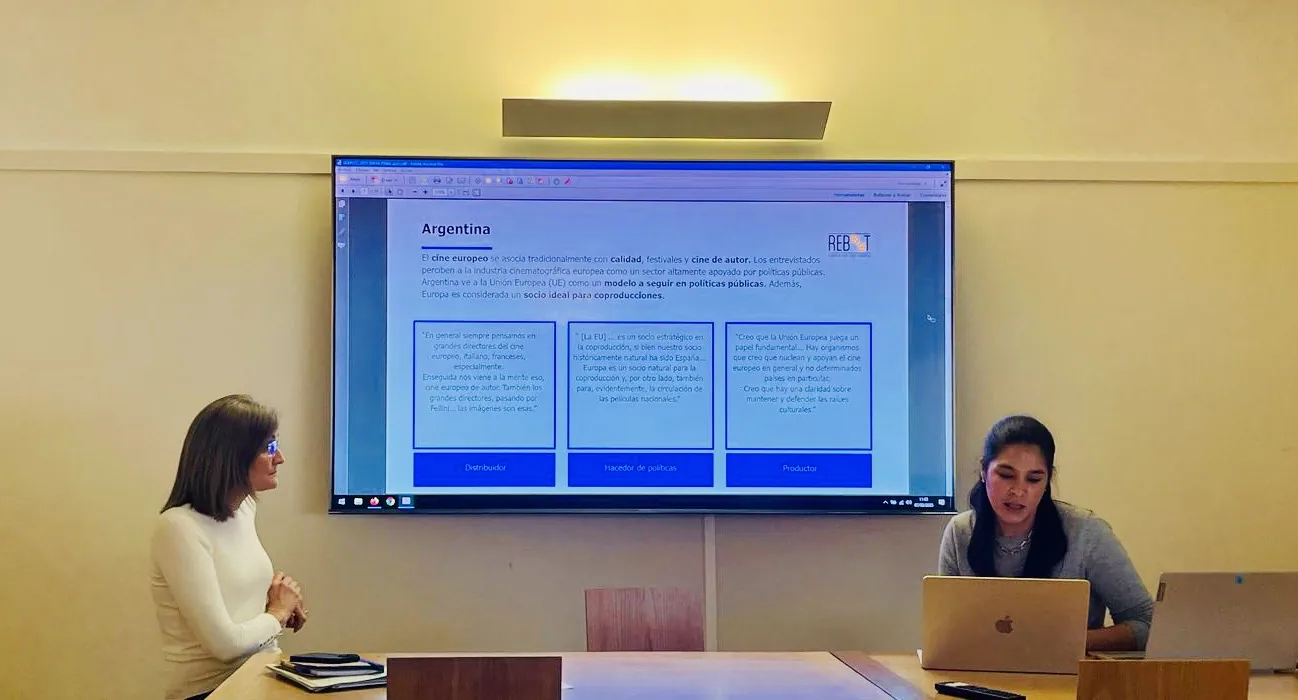
REBOOT at ULEPICC-Spain 2025: Exploring the Circulation of European Films in Latin America
On February 6-7, 2025, the REBOOT project was represented at the 9th International Congress of the Spanish Section of the Latin Union of Political Economy of Information, Communication, and Culture (Unión Latina de Economía Política de la Información, la Comunicación y la Cultura -ULEPICC-España), hosted at the Faculty of Communication Sciences, Universidade de Santiago de Compostela.
Framed around the theme “Communication and Public Service,” the congress gathered leading scholars and practitioners to explore the intersections of media, democracy, and cultural policy.
As part of the session on Diversity and Communication Policies, Prof. Mª Trinidad García Leiva and Isabela Vargas Miranda (Universidad Carlos III de Madrid), members of the REBOOT research team, presented their ongoing work on “La circulación de películas europeas en América Latina: situación actual en los principales mercados” (the circulation of European films in Latin America: current situation in the main markets.).
Their contribution shed light on the current dynamics and challenges of distributing European films across major Latin American markets, offering insights from a critical political economy perspective.
The congress served as an important platform for advancing dialogue on communication rights, diversity, and public service media within a global and comparative framework.
To view more information about the conference and the program, read more here: IX Congreso Internacional ULEPICC-España
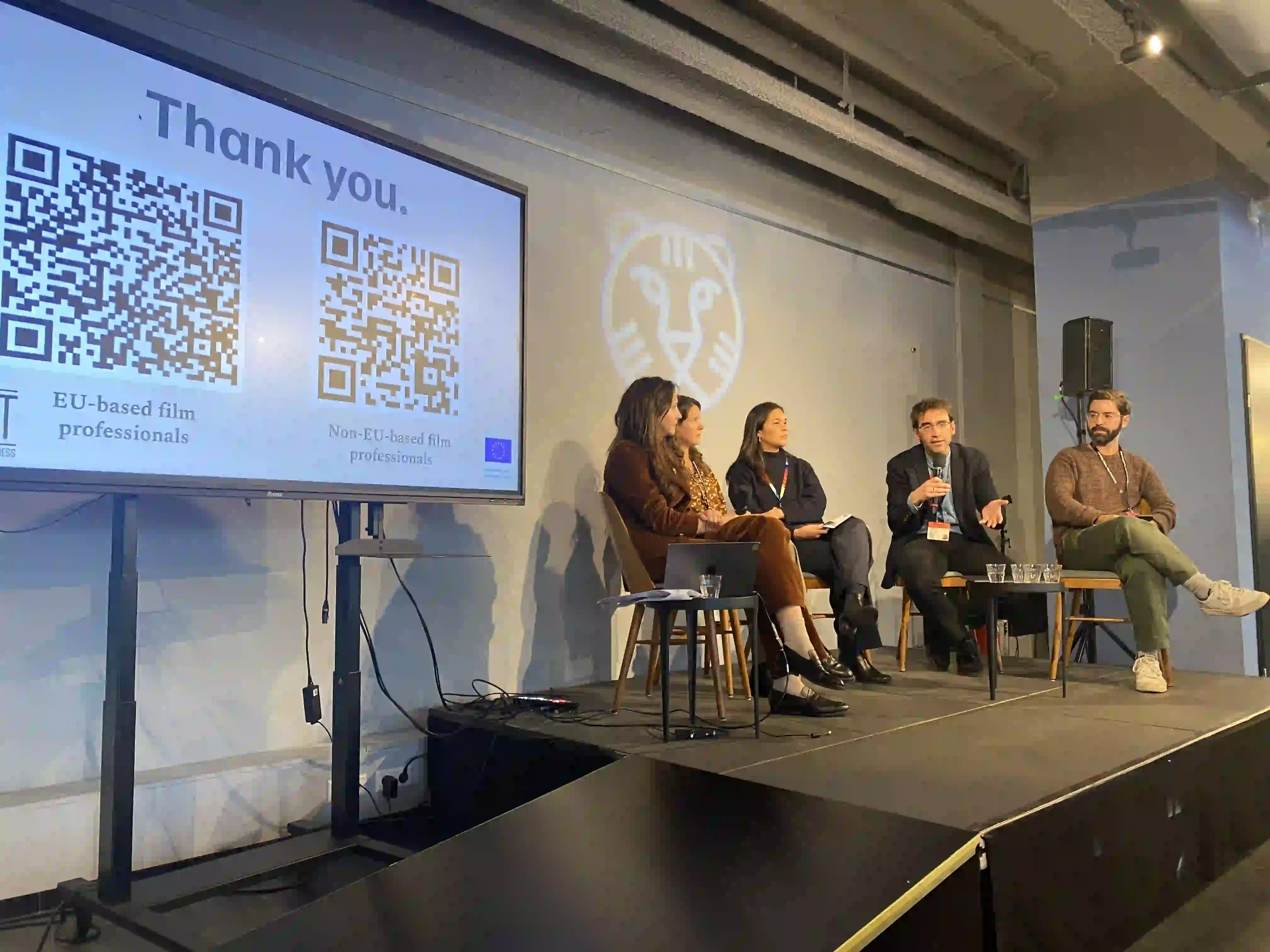
Rethinking the Global Film Landscape: REBOOT at IFFR Pro Dialogue 2024
How competitive is European cinema really and at what cost? In an era where EU policymakers are doubling down on the word competitiveness, the REBOOT Project brought this question to the fore in a panel titled “Global Film Europe: Rethinking Competitiveness, Identity, and Power.” The event wove together research insights, fieldwork, and a deeply human reflection on the position of European cinema within the shifting dynamics of the global film industry.
Moderated by Pedro Tinen, German Chancellor Fellow of the Alexander von Humboldt Foundation, the session invited a compelling lineup of speakers: Dr. Mafalda Dâmaso (Erasmus University Rotterdam), Prof. Antonios Vlassis and Dr. Marina Rossato Fernandes (both from the University of Liège), and Isabela Morena Vargas Miranda (University Carlos III of Madrid). Together, they presented new data, fresh analysis, and urgent calls for reimagining the rules of cinematic engagement between Europe and the world. The panel opened with a crisp overview of the REBOOT Project by Prof. Vlassis and Dr. Dâmaso, setting the stage for three key presentations, each probing a different dimension of the European film industry’s global footprint.
At the heart of the conversation was a shared critique: that the dominant market-driven understanding of “competitiveness” in European film policy is not only narrow but increasingly disconnected from the realities on the ground.
Rossato Fernandes and Prof. Vlassis shared findings from a pan-European survey and 37 in-depth interviews with EU-based professionals. The results revealed a complex picture, while European film is often praised for its artistic credibility and diverse storytelling, there is growing frustration with fragmented promotional strategies, limited access to global markets, and structural underinvestment. Next, Dr. Dâmaso turned the spotlight northward to examine the co-production ecosystems in Denmark and Sweden, drawing on interviews with 15 professionals. She highlighted how strategic policy frameworks, such as streaming levies and support across the entire value chain, contribute to a fertile environment for making globally competitive films. “What stands out is the emphasis on cultural pluralism, long-term investment, and policy mechanisms that redistribute value back into the local industries,” she explained.
The final presentation widened the lens even further, investigating how European cinema is perceived by professionals in South Korea, South Africa, Argentina, Brazil, Mexico, and Turkey. Co-authored by Dâmaso, Vargas Miranda, Rossato Fernandes, and Vlassis, the research blended survey and qualitative fieldwork. The findings pointed to a duality: on the one hand, admiration for Europe’s cinematic heritage; on the other, skepticism about the inclusiveness and reciprocity of current cooperation frameworks.
Throughout the session, the audience was drawn into a conversation that transcended statistics and strategies. It became clear that the future of European film is not simply a matter of competing harder, it’s about reimagining the terms of competition altogether. This means embracing complexity, rebalancing power, and building new narratives of cooperation, equity, and creative freedom.
Read more here
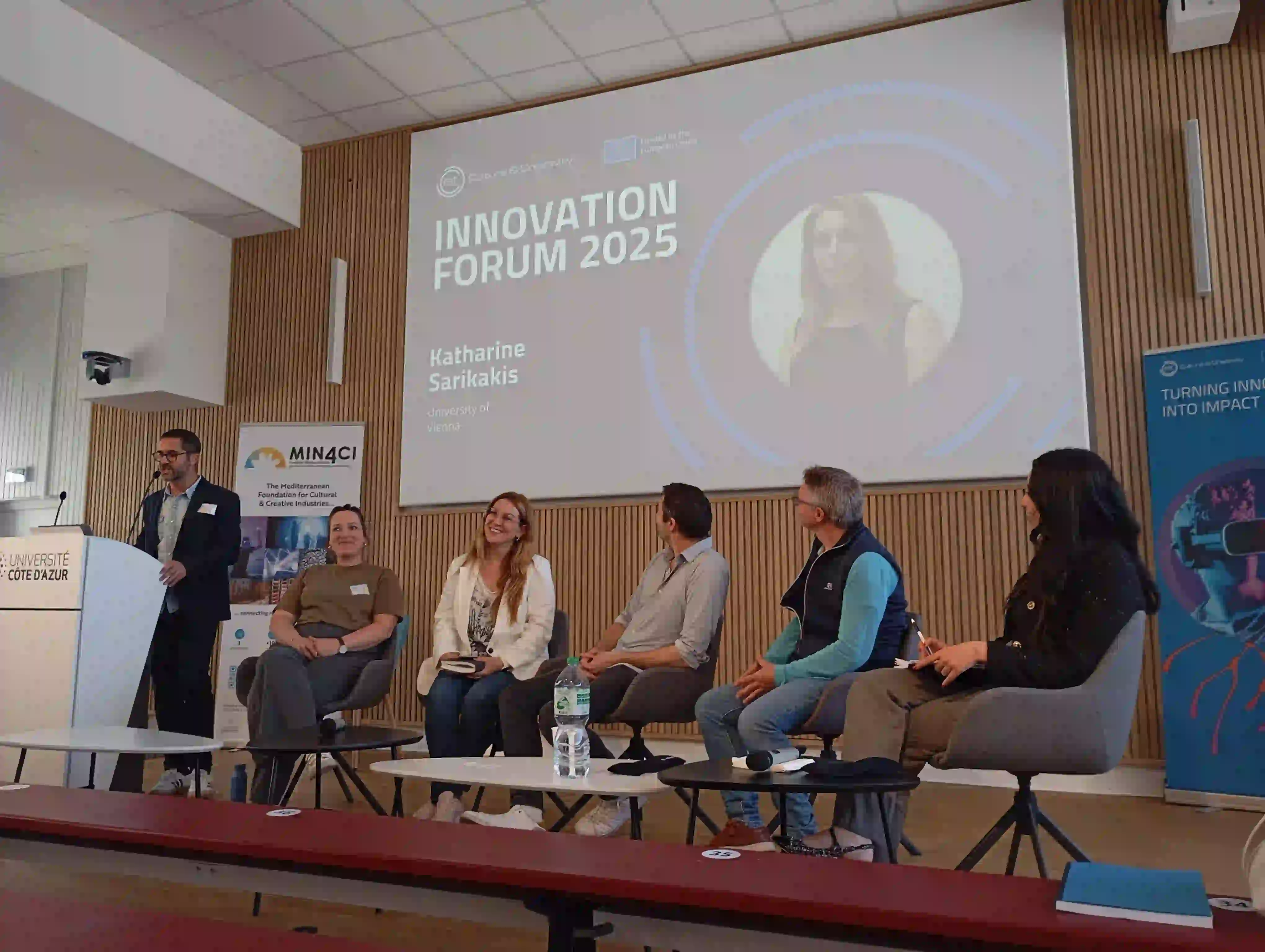
Creativity Meets Circularity: The EIT Culture & Creativity Innovation Forum in Nice Illuminates Europe’s Circular Future
At a time when Europe is reimagining its future through the lenses of sustainability, social cohesion, and cultural innovation, the EIT Culture & Creativity Innovation Forum offered a timely and powerful platform for dialogue, inspiration, and action. Held on April 22–23, 2025, in Nice, France, the second edition of this flagship event brought together over 130 participants from across the continent—academics, entrepreneurs, policymakers, artists, and institutional leaders—united by a shared conviction: that culture and creativity are not peripheral to Europe’s green and digital transition, but central to its success.
Organized under the compelling theme “Creativity Meets Circularity”, the forum underscored the pivotal role of cultural and creative industries (CCIs) in shaping a circular economy. In partnership with the MIN4CI Foundation (Mediterranean Institute for Innovation in Culture and Creative Industries), the event combined high-level vision with grassroots energy, offering both strategic insights and on-the-ground examples of innovation.
A Forum Rooted in Europe’s Transformation Agenda
The European Green Deal, the Circular Economy Action Plan, and the New European Bauhaus initiative set the stage for this year’s forum. These policy frameworks do more than define environmental goals—they call for a rethinking of our economic and social models. In this context, the Innovation Forum positioned CCIs as not only beneficiaries of these policies, but active agents of change. The city of Nice, with its rich cultural heritage and commitment to sustainable urban development, served as the ideal host for this gathering as well as University Côte d’Azur. Over two days, participants engaged in a dynamic programme of conferences, roundtables, workshops, and networking sessions that explored the intersections of creativity, ecology, and economy.
Ecosystems, Values, and a Call to Action
The forum opened at the beautifully restored Théâtre des Franciscains in Nice’s Old Town, where participants were welcomed by institutional leaders and treated to an inspiring keynote by Winy Maas, the visionary architect and co-founder of MVRDV. His talk set the tone for the day: bold, imaginative, and deeply grounded in questions of urban life and sustainability.
Three thematic roundtables followed, each offering a different lens on the forum’s central theme:
• Local cultural and environmental ecosystems were explored through the experiences of the Friche la Belle de Mai in Marseille, the Opéra Grand Avignon, and Aix-Marseille University.
• The South Region of France was presented as a living lab for creative and circular innovation, with voices from Relais Culture Europe, the Région Sud, CNRS, and the regional Campus for Cultural and Creative Industries hosted by Université Côte d’Azur.
• A powerful dialogue on European values and the New European Bauhaus brought together Ambra Trotto (EIT Culture & Creativity) and Annemie Wijkmans (CRAFT Lighthouse Project), emphasizing beauty, inclusivity, and sustainability as guiding principles for innovation. The day concluded with a creative networking session, where participants had the opportunity to forge new alliances and cross-sector partnerships in an atmosphere of openness and possibility.
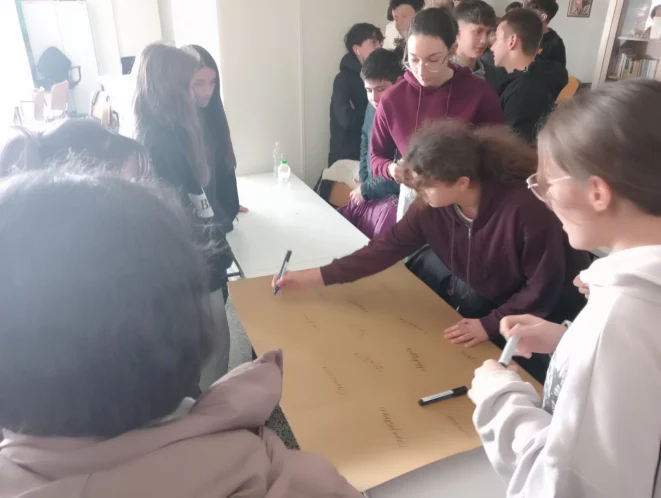
Cinema as a Cultural Bridge: Students Explore Identity and Interculturality at CulCo Lab Workshop
On February 26, 2025, the Cultural Relations and Comparative Arts Lab (CulCo Lab) at the University of Thessaly, in collaboration with the REBOOT project, hosted an inspiring educational workshop titled “Cinema and Interculturality: Languages, Identities, Stories”. Held in Volos, Greece, the event welcomed 70 secondary school students aged 12 to 18 into an immersive cinematic experience focused on how film can illuminate issues of migration, cultural identity, and intercultural dialogue.
The workshop was led by a team of researchers from the Hellenic Foundation for European and Foreign Policy (ELIAMEP): Associate Professor Eirini Sifaki (University of Thessaly), Dimitra Thliverou (PhD Candidate), and Stella-Maria Davia (PhD Candidate). Through a curated selection of film excerpts from European, Arab, Asian, and Latin American cinema, students embarked on a journey across cultural landscapes. The discussions centered around themes such as migration, multiculturalism, cultural conflict, and the complexities of identity formation. A major point of engagement was the role of language, specifically subtitling and dubbing, in shaping a viewer’s emotional and intellectual connection to a story. Students explored how translation choices can subtly alter meaning, tone, and cultural nuance, offering a deeper appreciation of language as a vehicle for empathy and understanding.
The participants responded with enthusiasm and curiosity, actively contributing to discussions and expressing a desire to further engage with global cinema. Their reflections underscored the importance of fostering media literacy in young audiences and the power of cinema to promote empathy and intercultural awareness.
This workshop is part of REBOOT’s broader mission to connect new generations with European film, support educational outreach, and inspire intercultural dialogue.
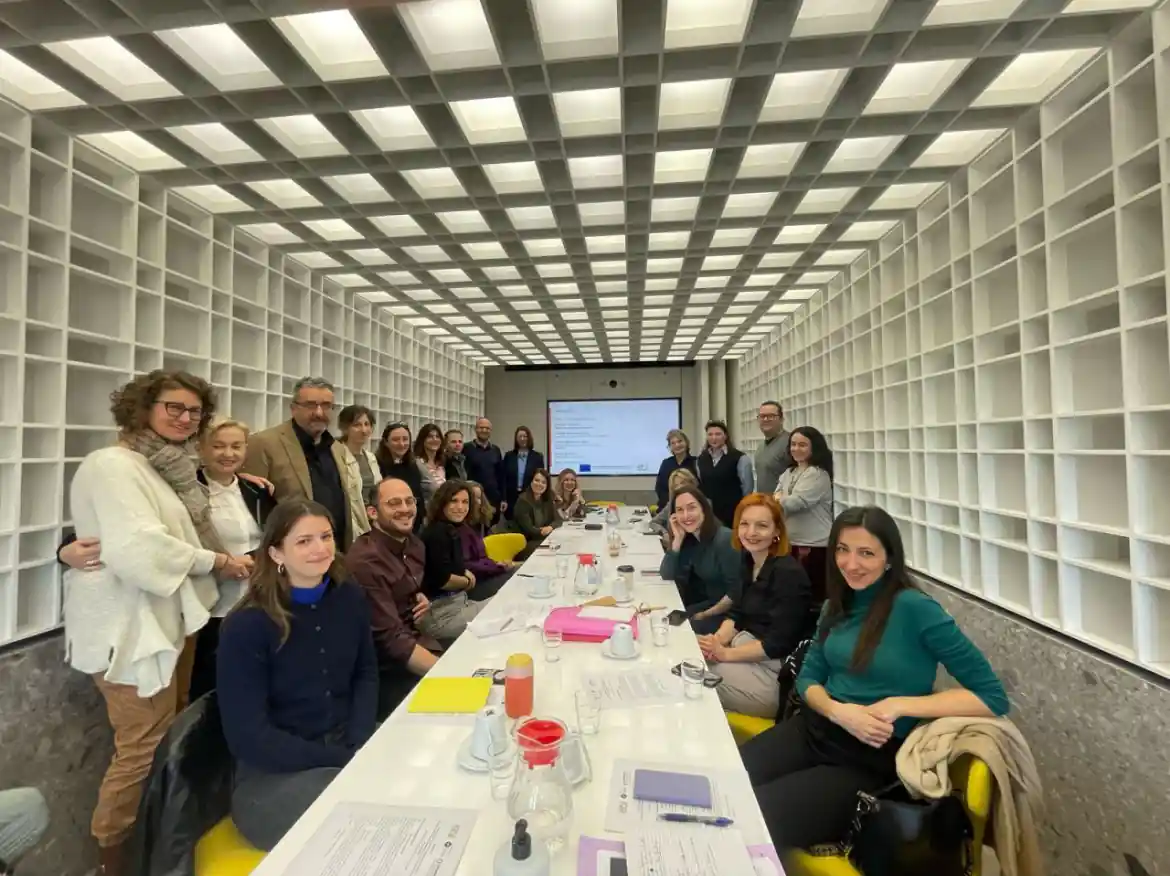
Creative Hub GR and ELIAMEP Roundtable Discussion on Film Industry Policies
On April 10, 2025, the Hellenic Foundation for European and Foreign Policy (ELIAMEP) hosted a timely and insightful discussion on the future of European cinema, as part of the Horizon Europe-funded REBOOT project (Reviving, Boosting, Optimising and Transforming European Film Competitiveness). Organised in partnership with EKKOMED - Creative Greece, the event brought together researchers, policy experts, and cultural practitioners to reflect on evolving film industry policies and the role of Greece as an emerging reference point in shaping European audiovisual strategies.
Under the title “Film Industry Policies in Europe: Greece as an Institutional Reference Point for Film Promotion and Education”, the dialogue addressed the pressing challenges facing the European film sector, from digital transformation and the influence of social media to policy fragmentation and shifting audience behaviours, particularly among younger generations. Central to the discussion was the call for a more unified European policy approach that strengthens competitiveness while remaining inclusive and culturally diverse.
Professor Katherina Sarikakis, coordinator of the REBOOT project and director of the Media Governance and Industries Research Lab at the University of Vienna emphasized the importance of rethinking European film competitiveness beyond market-based indicators, calling for a more values-driven, inclusive framework that supports creative diversity and democratic participation in film governance.
Eirini Andriopoulou, head of the Creative Hub GR at EKKOMED -Creative Greece and REBOOT researcher, highlighted Greece’s evolving institutional strategies, which connect audiovisual production with public engagement and cultural education. She pointed to several national initiatives as examples of how Greece is becoming an influential player in shaping European policy dialogues. Associate Professor Eirini Sifaki, director of the Interart Studies Lab at the University of Thessaly and also a REBOOT researcher, stressed the crucial role of audiovisual education. She argued that educating young people in media literacy and cinematic expression is not only key to cultivating informed audiences but also essential for empowering a new generation of creators with critical and cultural insight.
The discussion highlighted the need for productive collaboration between culture, education, and institutional strategy to boost the competitiveness and promotion of European cinema.
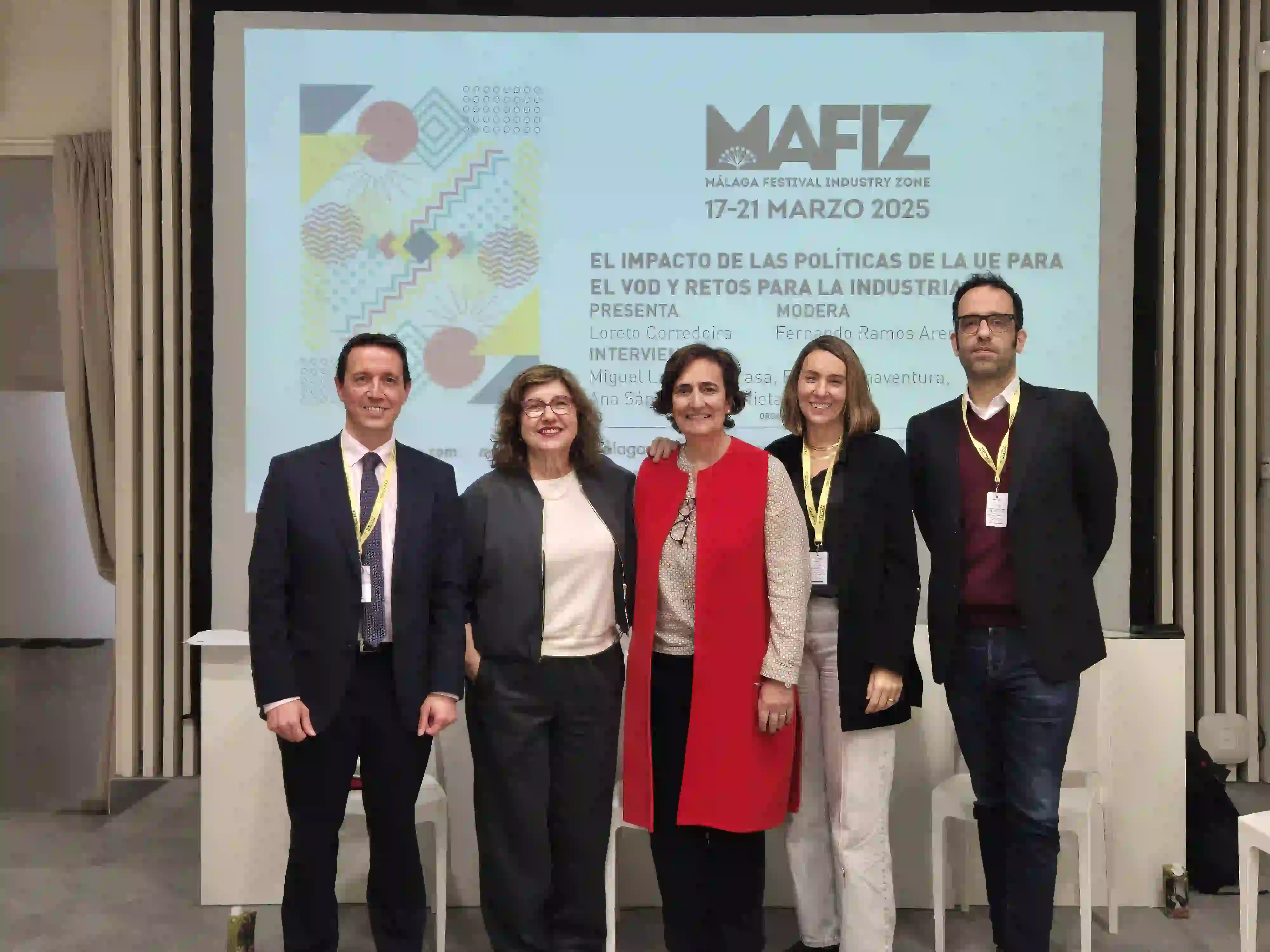
The Reboot Project at Málaga Film Festival 2025 (MAFIZ)
A VOD Europe report analyzes the competitiveness of European cinema on digital platformsThe Spanish VOD market is undergoing a profound transformation, shaped by global streaming giants and strengthened by national legislation promoting European content. These are among the central findings of the VOD Europe Report -Case Study of Spain, presented at the Málaga Film Festival (MAFIZ) as part of the Horizon Europe-funded REBOOT Project. The work, led by Dr. Fernando Ramos and Dr. Loreto Corredoira of the Complutense University of Madrid, explores the regulatory impact and market trends surrounding Video on Demand (VOD) services in Spain. It highlights the positive effects of Spain’s implementation of the 2018 Audiovisual Media Services Directive (AVMSD) through the General Law on Audiovisual Communication (LGCA, 2022), a key development requiring platforms to fund and promote European works. The report presented in this event, examines the impact of major global platforms such as Netflix, Amazon Prime Video, and MAX, as well as the response of national operators such as Filmin and Atresplayer. Among its key findings, it highlights the positive effects of the implementation of the Audiovisual Media Services Directive (AVMSD 2018) in Spanish legislation through the General Law on Audiovisual Communication (LGCA, 2022), which establishes requirements for the promotion and funding of European content. Alongside the presentation, a panel discussion was held, moderated by Fernando Ramos, with Fabia Buenaventura, General Director of Independent Producers (FAPE), who called for continued support for Spanish and European cinema, considering that the sector is fragmented by SMEs and medium-sized businesses. Miguel Langle, Director of Regulatory Affairs and Institutional Relations of Atresmedia, suggested that, in the future, the Directive should apply the same legal framework to all audiovisual players and not only television and VOD (video-sharing platforms such as YouTube and Instagram). Finally, journalist and film critic Ana Sánchez de la Nieta (Aceprensa, Row 7) talked about the creative period Spanish cinema is coming through and pointed out that the financial support has been effective and has led to films such as Sorda, a film by Eva Libertad that is tipped to be a favorite in Málaga Film Festival, with a fresh approach to disability and motherhood, a kind of movie that make us better as a society. A VOD Landscape in Transition: Spain Between Global Giants and Local Innovators The study reveals how the arrival of major international platforms starting in 2015 with Netflix has transformed the Spanish audiovisual ecosystem, generating significant changes in the production, distribution, and consumption of European films. The year 2020 was especially important due to the "shutdown" resulting from COVID-19, which increased the consumption of streaming content. Disney+ took advantage of the opportunity to launch its service globally. The report focuses on three VOD cases in Spain, from the arrival or launch of MAX (in 2016 under the HBO brand), Filmin (in 2008), and Atresplayer in 2019 with the Premium option, to the maturity or consolidation of these applications in the market. These are three distinct models for offering films, series, documentaries, and animation. The level of compliance with the obligations to promote European audiovisual works has been analyzed. Filmin, for example, leads the offer of European content, with 61% of its catalog including European works, which is his hallmark. MAX also meets this requirement thanks to its parent company's catalog, as HBO was acquired by WarnerMedia in 2021 and merged with Discovery+ in 2023. Atresplayer, for its part, being part of the Atresmedia audiovisual group, which invests in its own and third-party productions, also exceeds the production quota requirements (50-60% of its catalog of European works are audiovisual works, mainly series). Furthermore, the report highlights the importance of regulatory policies that require platforms to invest a percentage of their revenue in financing European productions, purchasing rights, or contributing to Film Funds. As a result, in 2024, Netflix allocated €68 million to this purpose, while Atresmedia and Filmin invested €94.9 million and €1.5 million respectively (all according to data from the National Commission on Markets and Competition (CNMC). The research also notes a turning point in 2020, when the COVID-19 pandemic boosted streaming consumption globally, offering platforms like Disney+ a strategic launch window in Spain. At the end the recommendations and perspectives emphasizes the need to strength the role of the National Commission on Markets and Competition (CNMC) in supervising VOD platforms, improving transparency in the reporting of data on the production of European content as well as regarding audience measurement (a current lack of transparency due to the variety of services), and strengthening investment obligations in the European film industry. It also advocates for greater diversification of the content offer in order to ensure the sector's cultural diversity and competitiveness.

Cultural Audiovisual Heritage for the Public Good and European Competitiveness
On January 22, 2025, a workshop titled “Cultural Audiovisual Heritage for the Public Good and European Competitiveness” was held to discuss the film and media industry. The workshop aimed to explore how various European film markets operate, focusing on film policy-making and the role of public institutions in supporting the film industry. The REBOOT project consortium organised the event in collaboration with researchers from the PSM-AP project and Zachęta - National Gallery of Art, alongside Creative Europe Desk Poland and FINA - National Film Archive - Audiovisual Institute. This workshop is part of the REBOOT (Reviving, Boosting, Optimising, and Transforming European Film Competitiveness) project funded by the European Commission under Horizon Europe. The project is led by Katharine Sarikakis from the University of Vienna. For more information about the project, please visit https://thereboot-project.eu/ .The event of the REBOOT EU Horizon Europe project was joined for the three-day event in Warsaw under the umbrella of the Knowledge Exchange, setting the scene for public service media to thrive in the Age of Platforms.
The goal of Poland's REBOOT national workshop was to support the audiovisual and film industries by bringing together scholars, filmmakers, producers, and key state institutions. Participants discussed the concepts of Public Good and European Competitiveness in the context of global media platforms. The REBOOT initiative focused on research, societal impact, and policy-making contributions aimed at exploring Poland’s and Europe’s audiovisual heritage. Additionally, it sought to enhance access to archives from the pre-internet era, addressing the integration of production and distribution.
The event took place at the Zachęta National Gallery of Art's Cinema Hall and began promptly at 3:00 p.m. Approximately 60 people attended the workshop, actively engaging in the debate for nearly two hours. The workshop, structured as a debate, was led by Michał Głowacki from the University of Warsaw, who heads the Polish research team for the REBOOT project. Several experts participated in the discussion, including Tadeusz Kowalski from the National Broadcasting Council, Jacek Mikucki from the University of Warsaw, Gentiana Ramadani from the University of Vienna, Fernando Ramos Arenas from Complutense University of Madrid and Anita Zawisza from the University of Warsaw.
The event started with a welcome address by Michal Glowacki, who provided a brief overview of the workshop and the objectives of the Reboot research project. The guests were then welcomed by the Dean of the Faculty of Journalism, Information and Book Studies, Dariusz Kuźmina, as well as Agnieszka Pindera, the Director of the Zachęta National Gallery of Art, and Malgorzata Kiełczewska, the Director of Creative Europe Desk Poland. These institutions, along with the National Film Archive - Audiovisual Institute (FINA), were co-organizers of the event. The debate began with a critical question aimed at offering a modern understanding of competitiveness in the film market where Michal Glowacki asked: „Let's try to speak about the lenses of today's competitiveness. What does the competitive mean to you in terms of film, audio, visual and in terms of history?“ Gentiana Ramadani emphasised that defining the concept of competitiveness in today's rapidly changing world, influenced by technology, is challenging. This is why the Reboot project was initiated, aiming to redefine this concept and understand the dynamics of the contemporary film industry. Focusing on the European film market, Ramadani pointed out that competitiveness relies on finding a balance between regulation and creativity. She also highlighted the importance of a shared understanding of competitiveness and public good among both filmmakers and audiences. Fernando Ramos Arenas noted that contemporary film competitiveness should be viewed from a historical perspective to identify both commonalities and differences. It's important to remember that the film industry is constantly evolving, affecting film production, distribution, and exposure. Consequently, the concept of competitiveness in the film market has also changed, taking into account the cultural and social differences among various film markets worldwide. He also referenced research findings to support his points: “We started the conversation with our stakeholders with this idea of asking them about competitiveness, and we ended then usually talking about sustainability.” Thus, it is crucial to maintain a balanced presentation of content in the era of global streaming platforms such as Netflix. Jacek Mikucki pointed out the multiplicity and diversity of film markets, which also makes it difficult to have one holistic definition of competitiveness in the audiovisual sector: “Plenty of people from South America coming to Europe to study to, for example, film direction, camera operation and so on but in the end, they don't follow exactly the same path which Europe promotes.” Thus, the concept of competitiveness should be considered through the lens of regions around the world.
Tadeusz Kowalski, an audiovisual policymaker for more than 40 years, stressed that due to his experience and knowledge, it is extremely difficult to define contemporary competitiveness in the film industry. As he stressed: “I think that we had to think about very wide concept of the competitiveness.” He noted that at the end of the day, all film entities are competing to keep the attention of audiences, which in turn affects economic competition in the film market. This emphasis on the audience's role in shaping competitiveness not only underscores their importance but also makes them feel valued and influential in the industry. Anita Zawisza spoke about the important role of diversity in the film industry: “When it comes to the stakeholders, when it comes to the subject of the movie, of the TV series, it is very important to remember about diversity.” She pointed out that the largest markets in the world are the US and China. Especially the film market in China has a completely different approach to competitiveness, because they don't consider the European or American market, due to China's internal values and policies, which differ from those of, for example, Europe. Besides, the target group is the Chinese citizens themselves, and it is for them that film policy is created.
Later in the conversation, Fernando Ramos Arenas referred to the enormous role of new communications solutions: “you have like this useful suspects over production, huge impact of the VOD platforms, it conglomerates, automation.” He added that Hollywood productions heavily influence the European film market. So competitiveness is often considered only by these two film markets. In turn, Tadeusz Kowalski cited data showing the European market's significant role: “In 2023, it was produced 3300 films in Europe.” He also pointed out that an average of 30 feature-length films are produced annually in Poland. Ramos Arenas acknowledged the problem in film distribution by independent filmmakers: “if you talk to the, to the producers, they may independent producers, they may say that's a problem of distribution or people are not reaching the audiences because somebody's not making the job rightly.” Gentiana Ramadani, on the other hand, pointed out the key role of film policies, especially European ones: “European countries provide a lot of support, of course, to their film industries, but they are both motivated from an economic perspective as well. Cultural objectives and this is related.” Ramadani stressed that film policies depend on cultural factors and the government's understanding of them. In doing so, she cited the example of Austria, which is in the top five European countries that subsidise the film industry with public funds. She attributed the reasons for this result to the film industry's sustainable support programs: “22 public funding institutions in Austria with six operating at the national level and 16 at the regional level.”
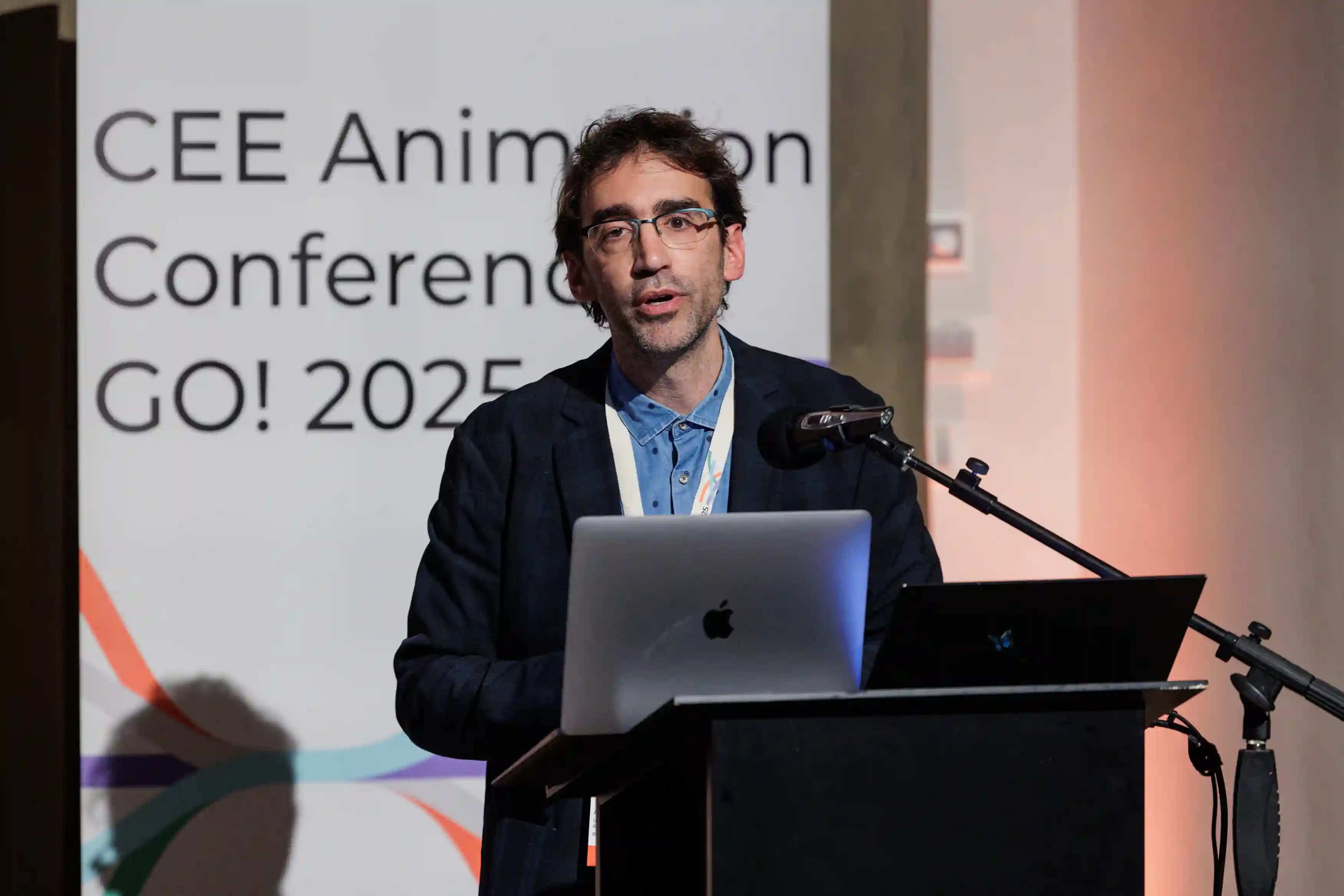
Spotlight on CEE Animation Conference GO! 2025: Advancing Sustainability and Collaboration in European Animation
In March 2025, the twin cities of Nova Gorica in Slovenia and Gorizia in Italy became a vibrant meeting point for animation professionals, institutions, and creatives during the CEE Animation Conference GO! 2025. Held from March 11 to 14 as part of the GO! 2025 European Capital of Culture programme, the event served as a critical space for reflecting on the challenges and opportunities facing the animation industry in Central and Eastern Europe. The conference was organized by the CEE Animation association and aimed to strengthen international collaboration in the animation sector, with a particular focus on sustainability and the transnational development of animated projects. Attendees included representatives from film funds, national animation associations, journalists, experts, and daily visitors, altogether contributing to a dynamic exchange of knowledge and strategies. Antonios Vlassis from the University of Liège, presented research findings from the REBOOT project, funded by the EU’s Horizon Europe programme. His presentation focused on insights from a recent survey (WP4) conducted among EU-based film professionals, examining how they perceive the competitiveness of the European Film Industry (EFI) in both European and global markets. The results shed light on professionals’ concerns and aspirations within a rapidly changing technological landscape and explored how policy can play a supportive role in strengthening Europe’s audiovisual sector. The conference welcomed 16 representatives from film funds, 17 national animated film association delegates, 15 guest speakers and experts, 3 journalists, and 10 daily guests. It also featured joint sessions with 37 talents and experts from the CEE Animation Workshop and 11 participants from the REACT Animation Lab, fostering rich cross-programme interactions. More information about the programme is available here
REBOOT at Script Fiesta: Reflecting on Competitiveness and Public Policy in Film
In March 2025, the REBOOT Polish team participated in the Script Fiesta festival at the Warsaw Film School, where a workshop titled “Competitiveness in the European Film Market: 20th Anniversary of the Polish Film Institute” brought together producers, researchers, and students for a dynamic exchange of ideas.
Chaired by Prof. Alicja Waszkiewicz-Raviv, the session welcomed acclaimed film producers Agnieszka Dziedzic (Koi Studio, Polish Producers Guild) and Agata Terpiał (One3 Studio), alongside REBOOT researchers Dr. Anita Zawisza and Dr. Jacek Mikucki. Together, they explored the evolving role of public institutions in shaping film policy, with a focus on competitiveness, funding frameworks, and the future of European cinema.
The event also highlighted the contributions of emerging talents from the Warsaw Film School, with a photo report prepared by students Joanna Godun and Marianna Watras from WDIB.
This workshop marked a key moment for REBOOT’s engagement with local industry stakeholders and reaffirmed the importance of public dialogue in shaping inclusive and sustainable film governance.
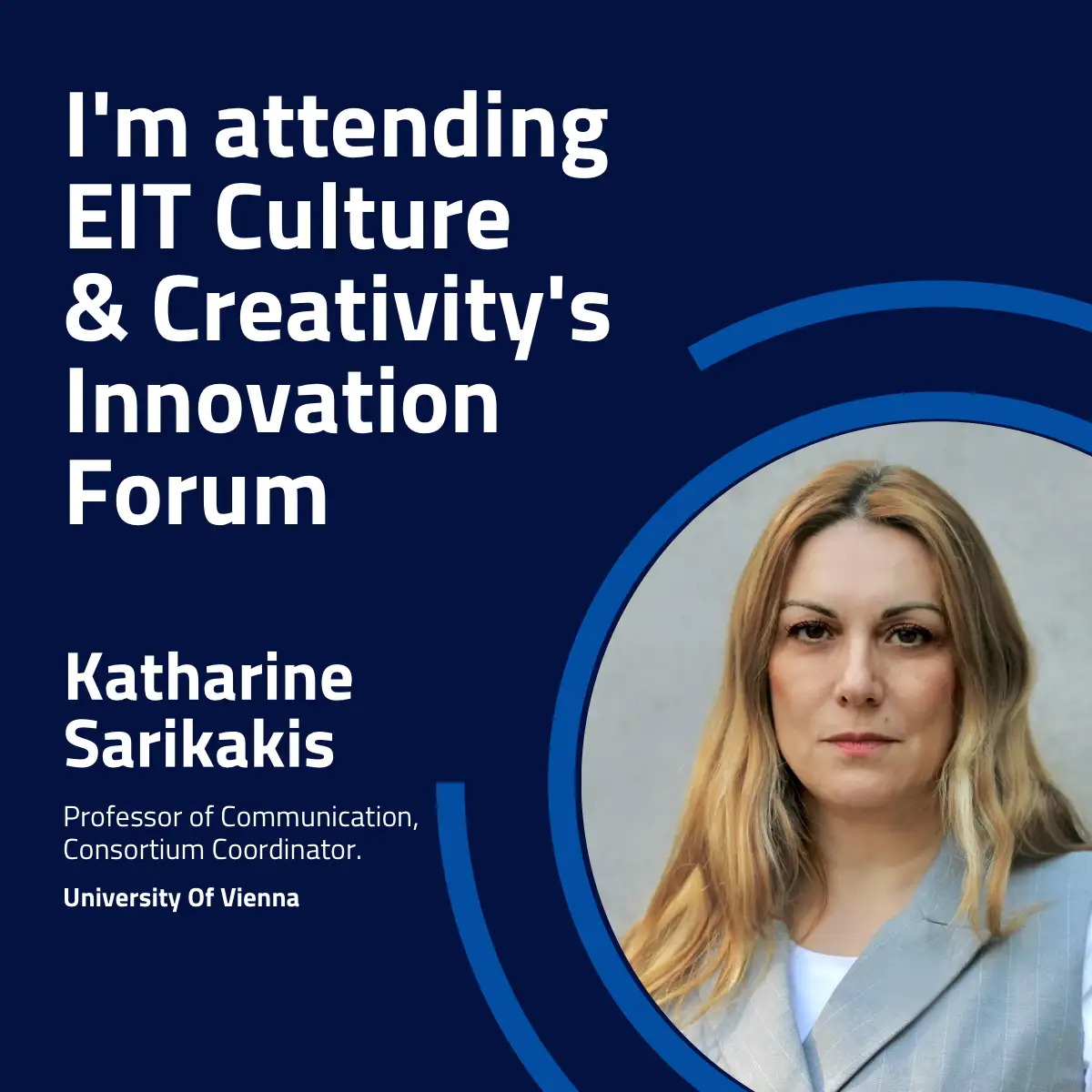
Reboot joins the EIT Culture & Creativity Innovation Forum in Nice.
Under the theme: "Creativity Meets Circularity 🌿”, the second edition of the EIT Culture & Creativity Innovation Forum brings together leaders to explore how cultural and creative sectors can drive the transition to a circular economy on 22-23 April 2025, in Nice, France. The forum creates a vital space where innovation, sustainability and creativity intersect to build more resilient and inclusive futures.
Katharine Sarikakis , Professor of Communication Science at the University of Vienna and #REBOOT Project Lead, is joining a distinguished panel discussing "Audio-visual and Media, Gaming and Local Ecosystem Experiences".
A unique opportunity to share insights along leading experts on sustainable transformation in media and creative industries.
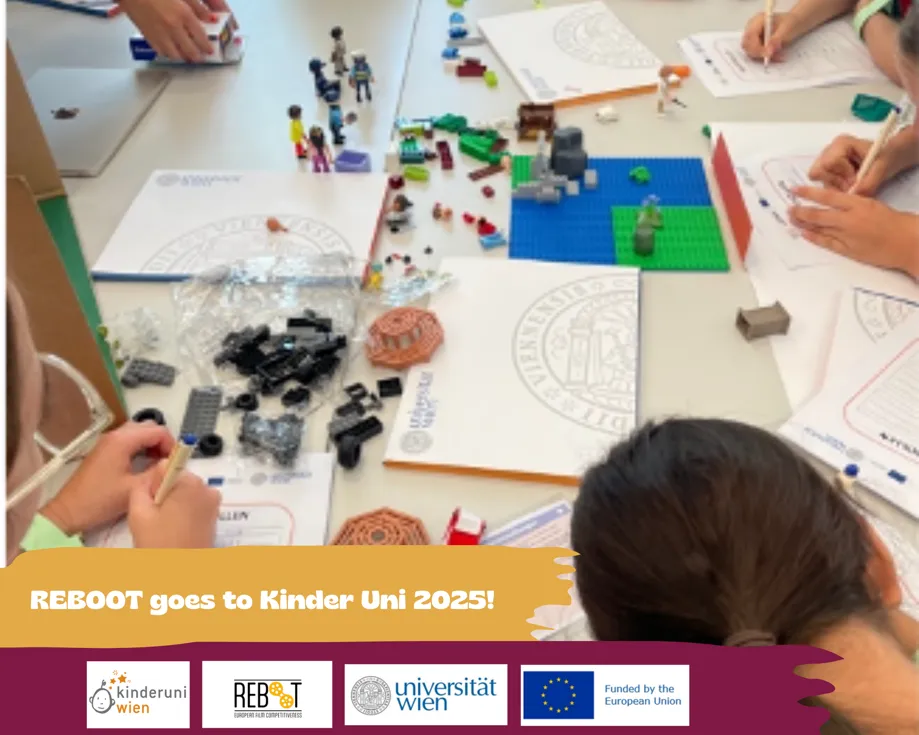
REBOOT At Kinder Uni : Sequel 2!
For the second year in a row, the REBOOT team proudly announces its participation at the Kinder Uni 2025! This year, we are hosting an immersive film scripting workshop on July 7th, titled: “A Creative Film Storytelling Journey” tailored for young creatives aged 7 to 12.
The Kinder Uni, one of Europe’s largest children’s universities (operating since 2003), opens its doors for two weeks every year, inviting children to explore the future and experience the university world through its lively motto: “We turn the university upside down!”
Our workshop will transport kids into the exciting world of movie-making through hands-on activities that blend education with entertainment. Carefully structured to develop essential skills, the session encourages children to brainstorm story ideas together and transform their creativity into real, tangible projects.
Beyond learning filmmaking basics, participants will gain confidence, teamwork skills, and a deeper appreciation for storytelling, all while working with adapted professional tools designed for young minds. Via this unique platform, we share insights and findings from our ongoing research project with the community - planting the seeds of cinematic passion, showing children the magic of European films. Through creative play, we are building tomorrow's engaged audiences and filmmakers!
Find out more about our previous workshop here .
EIT Culture & Creativity’s Innovation Forum
Welcome to the EIT Culture & Creativity Innovation Forum, an event where innovation, sus- tainability, and creativity come together to build a more resilient and inclusive future. Under the theme «Creativity Meets Circularity», this second edition explores the potentially trans- formative role of the cultural and creative sectors and industries (CCSI) in driving the shift to a circular economy.
As the European Green Deal advances European ambitions, the new Circular Economy Act and the New European Bauhaus, outlined in President Ursula von der Leyen’s policy agenda, begin to embed circular principles across all sectors. The Act drives systemic change, linking environmental sustainability with economic innovation and societal well-being.
At EIT Culture & Creativity, our programmes align with this vision, prioritising circular and resil- ient practices in fashion, architecture, audiovisual media, gaming, and cultural heritage to drive sustainable transformation. The Creative and Cultural Sectors and Industries (CCSI) are uniquely positioned to lead this transition - not only strengthening economic resilience but also fostering social inclusion and open, diverse societies. This forum will explore whether circularity may be at the heart of innovation, shaping new value chains, markets, and business models in CCSI, and extending beyond economic metrics to create broader societal impact.
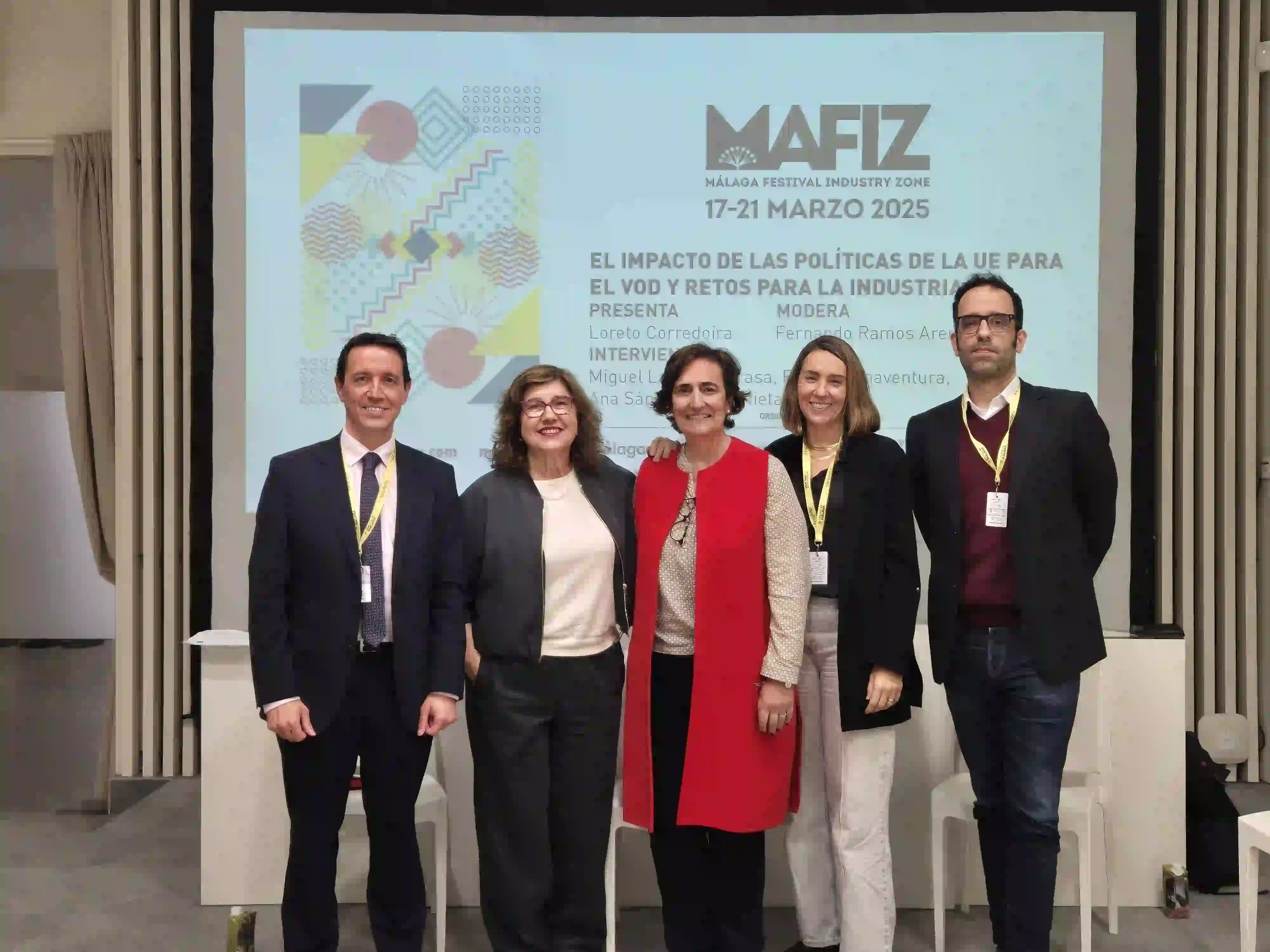
The Reboot Project at Málaga Film Festival 2025 (MAFIZ)
A VOD Europe report analyzes the competitiveness of European cinema on digital platforms
The VOD Europe Report -Case Study of Spain was presented at the Málaga Film Festival (MAFIZ) on March 18, 2025. Developed within the Horizon 2020 REBOOT Project, funded by the European Union under the Horizon Europe program, this study was led by Dr. Fernando Ramos in collaboration with Dr. Loreto Corredoira from Complutense University of Madrid. It examines the evolution and key challenges of the Video on Demand (VOD) market in Spain and across Europe.
The report examines the impact of major global platforms such as Netflix, Amazon Prime Video, and MAX, as well as the response of national operators such as Filmin and Atresplayer. Among its key findings, it highlights the positive effects of the implementation of the Audiovisual Media Services Directive (AVMSD 2018) in Spanish legislation through the General Law on Audiovisual Communication (LGCA, 2022), which establishes requirements for the promotion and funding of European content.
Alongside the presentation, a panel discussion was held, moderated by Fernando Ramos, with Fabia Buenaventura, General Director of Independent Producers (FAPE), who called for continued support for Spanish and European cinema, considering that the sector is fragmented by SMEs and medium-sized businesses. Miguel Langle, Director of Regulatory Affairs and Institutional Relations of Atresmedia, suggested that, in the future, the Directive should apply the same legal framework to all audiovisual players and not only television and VOD (video-sharing platforms such as YouTube and Instagram). Finally, journalist and film critic Ana Sánchez de la Nieta (Aceprensa, Row 7) talked about the creative period Spanish cinema is coming through and pointed out that the financial support has been effective and has led to films such as Sorda, a film by Eva Libertad that is tipped to be a favorite in Málaga Film Festival, with a fresh approach to disability and motherhood, a kind of movie that make us better as a society.
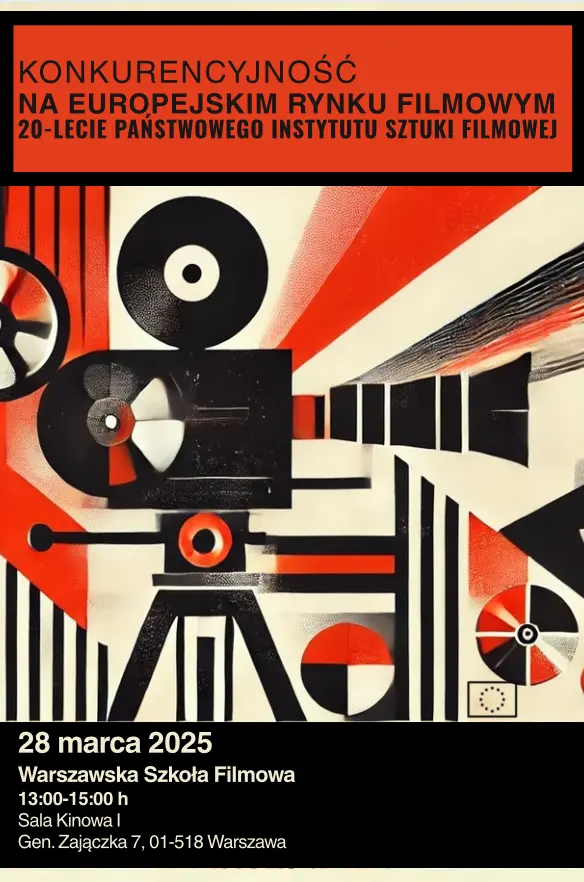
Competitiveness in the European film market. 20th anniversary of the Polish Film Institute
You are cordially invited to a workshop on the film and media industry entitled Competitiveness in the European Film Market. 20th Anniversary of the Polish Film Institute. The workshop aims to examine competitiveness in an institutional dimension, emphasizing the formation of film policy and the role of public institutions in supporting the film industry, with a particular focus on the Polish Film Institute (PISF) activities.
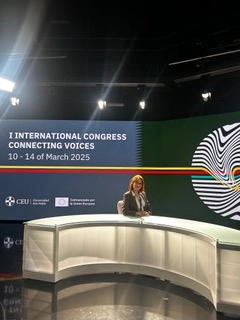
International Congress Connecting Voices: Global Perspectives on Pedagogical Innovation and Research
The International Congress Connecting Voices: Global Perspectives on Pedagogical Innovation and Research, hosted by the Faculty of Humanities and Communication Sciences at the University San Pablo CEU, took place from March 10th to 14th, 2025. This event was designed to foster international collaboration and knowledge-sharing in the fields of Journalism, Audiovisual Communication, Digital Communication, and Advertising & PR.
Over the course of the International Week, lectures and training activities aimed at both local and international teachers focused on networking and strengthening professional ties. The event featured 15 guest speakers who participated in COIL (Collaborative Online International Learning) sessions, teaching innovation workshops, and research discussions during the day. In the afternoons and evenings, cultural activities enriched the experience.

Small Cinemas Conference in Zagreb sparks dialogue between scholars and film industry leaders
From November 5th to 7th, the 15th Small Cinemas Conference in Zagreb hosted an insightful cluster panel titled „Approaches to Competitiveness in Small Film Industries.“as a connecting minds, this panel brought together leading voices from three prominent EU Horizon Europe projects, REBOOT, SCENE, and CresCine, to discuss how small film industries in Europe navigate the complexities of international competitiveness.
Moderated by Petr Szczepanik from Charles University in Prague, the panel featured:
The discussion explored what competitiveness means for the film business in smaller countries and how small film industries in Europe can enhance their international reach. The panelists shared insights on challenges such as limited resources, distribution obstacles, and global competition while emphasizing the unique strengths of small markets, including cultural diversity, regional storytelling, and supportive policy frameworks.
REBOOT: Rethinking Competitiveness
Antonios Vlassis presented the work of the REBOOT project, highlighting its comprehensive approach to understanding competitiveness in the European film industry. He emphasized that focusing solely on market and economic metrics falls short of capturing how institutions, stakeholders, audiences, and citizens relate to the film industry. Instead, he argued for exploring political and social dynamics to fully grasp the complexities of competitiveness. Vlassis stressed the importance of considering Europe's socio-economic, cultural, and political landscape to build a more inclusive and competitive film industry.
SCENE: Leveraging AI for Global Reach
Dr. Anastasios Drosou, coordinator of the SCENE project, introduced innovative AI tools designed to support small film industries by increasing efficiency in production, distribution, and market analysis. He showcased how these AI-driven solutions enhance international reach, optimize workflows, and create new opportunities for collaboration and innovation within the European cinema industry. Dr. Drosou emphasized the importance of digital transformation and international networking to foster competitiveness.
CresCine: Innovating Across the Value Chain
André Rui Graça presented an overview of the CresCine project, which aims to increase the international competitiveness of the film industry in small European markets. The project takes a comprehensive approach by addressing the entire film production, distribution, and consumption ecosystem. It seeks to innovate at all levels of the value chain, from policy frameworks to data management, new business models, and distribution modes. Graça highlighted the achievements of the project to date and its potential to reshape small film markets through strategic innovation.
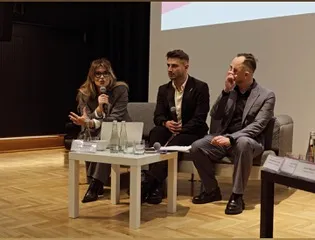
Cultural Audiovisual Heritage for the Public Good and European Competitiveness
On January 22, 2025, a workshop titled "Cultural Audiovisual Heritage for the Public Good and European Competitiveness" was held to discuss the film and media industry. The workshop aimed to explore how various European film markets operate, focusing on film policy-making and the role of public institutions in supporting the film industry.
The REBOOT project consortium organised the event in collaboration with researchers from the PSM-AP project and Zachęta - National Gallery of Art, alongside Creative Europe Desk Poland and FINA - National Film Archive - Audiovisual Institute. This workshop is part of the REBOOT (Reviving, Boosting, Optimising, and Transforming European Film Competitiveness) project funded by the European Commission under Horizon Europe. The project is led by Katharine Sarikakis from the University of Vienna. For more information about the project, please visit The Reboot Project .The event of the REBOOT EU Horizon Europe project was joined for the three-day event in Warsaw under the umbrella of the Knowledge Exchange, setting the scene for public service media to thrive in the Age of Platforms.
The goal of Poland's REBOOT national workshop was to support the audiovisual and film industries by bringing together scholars, filmmakers, producers, and key state institutions. Participants discussed the concepts of Public Good and European Competitiveness in the context of global media platforms. The REBOOT initiative focused on research, societal impact, and policy-making contributions aimed at exploring Poland’s and Europe’s audiovisual heritage. Additionally, it sought to enhance access to archives from the pre-internet era, addressing the integration of production and distribution.
The event took place at the Zachęta National Gallery of Art's Cinema Hall and began promptly at 3:00 p.m. Approximately 60 people attended the workshop, actively engaging in the debate for nearly two hours. The workshop, structured as a debate, was led by Michał Głowacki from the University of Warsaw, who heads the Polish research team for the REBOOT project. Several experts participated in the discussion, including Tadeusz Kowalski from the National Broadcasting Council, Jacek Mikucki from the University of Warsaw, Gentiana Ramadani from the University of Vienna, Fernando Ramos Arenas from Complutense University of Madrid and Anita Zawisza from the University of Warsaw.
The event started with a welcome address by Michal Glowacki, who provided a brief overview of the workshop and the objectives of the Reboot research project. The guests were then welcomed by the Dean of the Faculty of Journalism, Information and Book Studies, Dariusz Kuźmina, as well as Agnieszka Pindera, the Director of the Zachęta National Gallery of Art, and Malgorzata Kiełczewska, the Director of Creative Europe Desk Poland. These institutions, along with the National Film Archive - Audiovisual Institute (FINA), were co-organizers of the event. The debate began with a critical question aimed at offering a modern understanding of competitiveness in the film market where Michal Glowacki asked: „Let's try to speak about the lenses of today's competitiveness. What does the competitive mean to you in terms of film, audio, visual and in terms of history?“ Gentiana Ramadani emphasised that defining the concept of competitiveness in today's rapidly changing world, influenced by technology, is challenging. This is why the Reboot project was initiated, aiming to redefine this concept and understand the dynamics of the contemporary film industry. Focusing on the European film market, Ramadani pointed out that competitiveness relies on finding a balance between regulation and creativity. She also highlighted the importance of a shared understanding of competitiveness and public good among both filmmakers and audiences. Fernando Ramos Arenas noted that contemporary film competitiveness should be viewed from a historical perspective to identify both commonalities and differences. It's important to remember that the film industry is constantly evolving, affecting film production, distribution, and exposure. Consequently, the concept of competitiveness in the film market has also changed, taking into account the cultural and social differences among various film markets worldwide. He also referenced research findings to support his points: “We started the conversation with our stakeholders with this idea of asking them about competitiveness, and we ended then usually talking about sustainability.” Thus, it is crucial to maintain a balanced presentation of content in the era of global streaming platforms such as Netflix. Jacek Mikucki pointed out the multiplicity and diversity of film markets, which also makes it difficult to have one holistic definition of competitiveness in the audiovisual sector: “Plenty of people from South America coming to Europe to study to, for example, film direction, camera operation and so on but in the end, they don't follow exactly the same path which Europe promotes.” Thus, the concept of competitiveness should be considered through the lens of regions around the world.
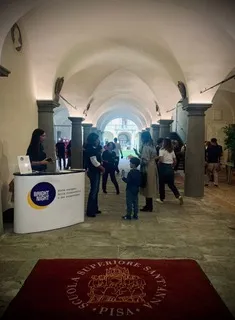
REBOOT Researchers met the public on the European Night of Researchers 2024 (BRIGHT - NIGHT) in Pisa!
On 27 September 2024, the REBOOT Research Team of Scuola Superiore Sant’Anna (Pisa, Italy) participated in the annual “BRIGHT-NIGHT: European Night of Researchers 2024” to meet and talk with cinema enthusiasts visiting the event venue from Pisa and its surroundings.
Held under the auspices of the European Commission, BRIGHT-NIGHT is a cultural and scientific initiative dedicated to spreading science and culture through a series of events, workshops, interactive sessions, experiments and presentations. Standing for “Brilliant Researchers Impact on Growth, Health and Trust” in research, BRIGHT-NIGHT creates a vibrant atmosphere by transforming – only for a night – publicly accessible places such as town squares, community parks, university premises and even pubs and bars, into venues where the citizens can meet researchers, hear about their research activities and scientific/cultural output – or even be part of these research endeavours.
Having the opportunity to be part of this unique experience, the REBOOT researchers of Scuola Superiore Sant’Anna held a stand at the premises of one of Sant’Anna’s historical buildings, Palazzo Pilo Boyl, from 5 to 11 pm. They presented the REBOOT Project and encouraged citizens of all ages to engage with the Project’s ambitions and tasks. REBOOT attracted the attention of a wide range of visitors who engaged in a conversation with the research team about the current status and the future trajectories of the European Film Industry.
The REBOOT stand was a hot spot also for the younger cinema enthusiasts. The research team was delighted to talk to kids and their families, teenagers and young adults and to hear about their opinions on cinema. The BRIGHT-NIGHT was also a great opportunity to involve teenagers and young adults in some of the participatory research activities carried out in the context of the project, such as focus groups and surveys on young audiences’ preferences of cinematographic content.
Whilst the memories of the BRIGHT-NIGHT 2024 are still fresh, the REBOOT researchers are already excited for next year’s event. Stay tuned!
Caterina Sganga, Denise Amram, Pelin Turan, Piergiorgio Pilo, and Veronica Punzo
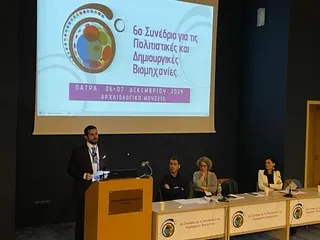
Competitiveness and Cultural Diversity in EU Audiovisual Policies
Dr. Apostolos Samaras, senior researcher, participated in the 6th Conference on Cultural and Creative Industries, held in Patras on December 6-7, 2024. As part of the panel on “Music and Audiovisual Industries,” Dr. Samaras delivered a presentation titled “Competitiveness” and “Cultural Diversity” in EU Policies for the Audiovisual Sector, offering insights into the evolving policy landscape of the European audiovisual industry.
His presentation examined the interplay between economic competitiveness and cultural diversity in EU policymaking, highlighting the challenges posed by digital platforms and rapid technological advancements. He also discussed how EU policies navigate the delicate balance between economic growth and the preservation of cultural diversity in the film and audiovisual sectors.
The data presented was drawn from the report Competitiveness in European Law (Psychogiopoulou, Samaras, Comerma, Vlassis, Riga), conducted within the framework of the REBOOT project. Dr. Samaras’ contribution to the conference underscored the importance of research-driven policy recommendations in shaping the future of the European audiovisual sector.
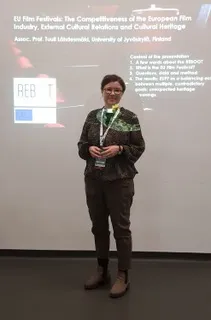
Discussing Heritage Meanings of European Film at the ELABCHROM Conference
European film is not only an important European industry, but also an essential part of Europe's cultural heritage and, as such, could be promoted more effectively to reach audiences who want to engage with it. This is the argument presented by Tuuli Lähdesmäki at the conference Tangible and Intangible Cultural Heritage: A Dichotomy under Debate, held on 24-25 October in Sibiu, Romania. The conference was organised by the Horizon Europe- funded ELABCHROM project with its project partners, the Lucian Blaga University Sibiu in Romania, the University of Burgundy in France, and the University of Jyväskylä in Finland.
The conference brought together over 70 experts from different European countries, representing not only universities and research institutes, but also museums and cultural institutions. In 14 thematic panels, speakers and participants discussed the intertwining of tangible and intangible cultural heritage and the challenges of distinguishing them in cultural policy and governance. One of the conference panels focused on festivals as cultural heritage. This theme linked the conference to the local cultural scene in Sibiu, known for its lively international festivals. During the conference, the city hosted the Astra Film Festival (https://www.astrafilm.ro/en), which has been held annually in Sibiu since 1993. It is known for presenting a diverse selection of documentaries from around the world.
Lähdesmäki's presentation at the conference focused on the EU Film Festivals that the REBOOT partners from the University of Jyväskylä, Erasmus University Rotterdam (the Netherlands), and Kadir Has University (Türkiye) have jointly researched based on grey literature and interview data collected among EU Delegations and EU Film Festival organisers in eight non-EU countries. Lähdesmäki's presentation focused on EU Film Festivals in two case countries, the UK and Canada, both of which include populations, migrants, and ex-patriots with heritage and cultural roots in (continental) Europe.
The analysis of this interview data showed that European films have a particular heritage meaning that is not addressed in EU film policy. This meaning is based on film as personal cultural heritage, i.e. historical, cultural, and familial elements that shape one's identity and sense of belonging to a cultural group. According to the interviews with festival organisers, European expatriates, migrants and citizens with a migrant background and their families form an important audience for festivals in multicultural metropolises, such as London, Toronto, Ottawa, and Vancouver. Such audiences are eager to see European films from their (or their parents', grandparents' or relatives') home countries, to experience their culture and cultural environment and to hear their native language.
Since 2000, EU cultural policy discourses have identified film as cultural heritage and launched policies to promote European film heritage. Film as heritage is also mentioned in practical guidelines for EU Film Festivals. However, neither the policies nor the guidelines recognise the personal heritage meaning of European films. Such a meaning is important for a specific audience segment, which could be better recognised as a potential market niche for European films.
Tuuli Lähdesmäki
University of Jyväskylä
International Seminar: Diversity and On-Demand Audiovisual Services
On October 23, 24, and 25, the International Seminar “Diversity and On-Demand Audiovisual Services” will be held at the Universidad Carlos III de Madrid. This event, organised by the Audiovisual Diversity research group with the support of the Faculty of Humanities, Communication and Documentation (FHCD-UC3M), the University Institute of Spanish Cinema (IUCE-UC3M), the Latin American Observatory of Media Regulation and Convergence (Observacom) and the Laboratoire d’Excellence ‘Cultural industries and artistic creation’ (LabEx ICCA, France), is part of the execution of the research entitled ‘Diversity and subscription video-on-demand audiovisual services (PID2019-109639RB-100)’, funded by the Spanish Ministry of Science, Innovation and Universities at the State Research Agency.
The seminar will bring together academics, industry professionals, and regulators from both sides of the Atlantic to discuss the promotion and protection of diversity in the audiovisual sector. Key topics will include the impact of video-on-demand service providers in Europe and Latin America, with a particular focus on U.S.-based transnational companies, along with the production and distribution of audiovisual works. This gathering aims to foster a critical dialogue on the influence of these industry players from both political-regulatory and socioeconomic perspectives.
During the event, members of the REBOOT Project (Reviving, Boosting, Optimising, and Transforming the Competitiveness of European Cinema) will present preliminary findings from their research. They will participate in a roundtable discussion that examines the relationship between European cinema and streaming audiovisual services. For more details, please refer to the complete seminar program available at the following link .
The event will be streamed live for free at diversidadaudiovisual.org
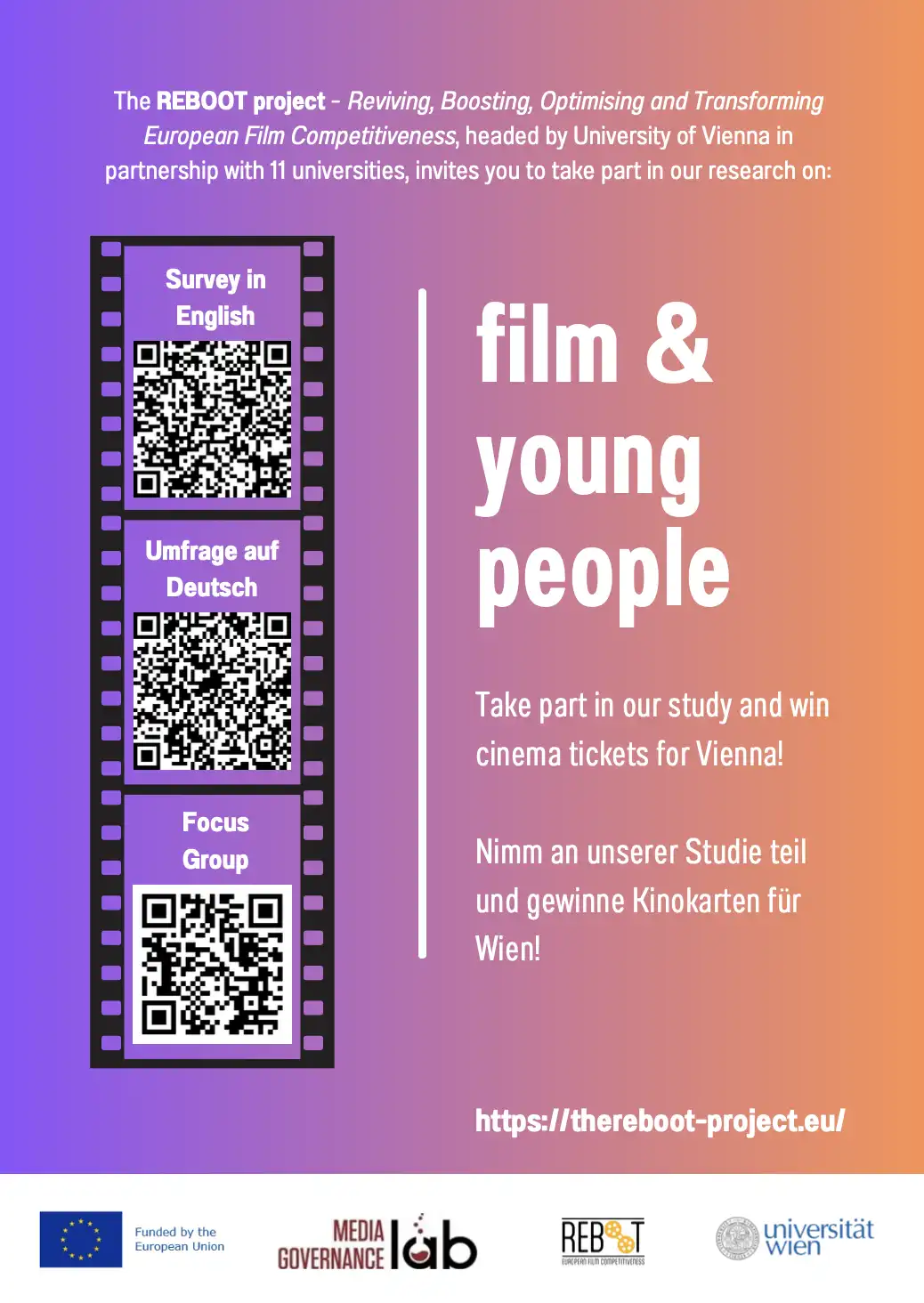
Exploring Youth Film Preferences in Europe: Exciting Insights from Our Focus Group
During June 2024, at the premises of the Communication Department at the University of Vienna, the Reboot project conducted an insightful focus group series to explore young people's tastes and interactions with transnational and European film content. With 8 focus groups over 4 days and around 35 participants, the aim was to uncover deeper insights into young people's preferences, how they engage with films, and their sense of European identity.
Key themes emerged from the discussions:
• Some participants find European films challenging to understand.
• European films are appreciated for their philosophical depth, artistic qualities, and historical richness.
• There's a strong enthusiasm for genres like comedy and classic movies.
• Discussions highlighted diverse views on how European films portray cultural identities.
Our participants, aged 18-24 from Vienna, demonstrated a keen interest and knowledge, paving the way for further exploration. The open and friendly atmosphere fostered meaningful dialogue, providing valuable insights.
Moving forward, our upcoming phase in September will center on high school students aged 12-17 in Vienna, offering fresh insights into youth film culture.
Stay tuned for the comprehensive data analysis to be shared with stakeholders and the industry.
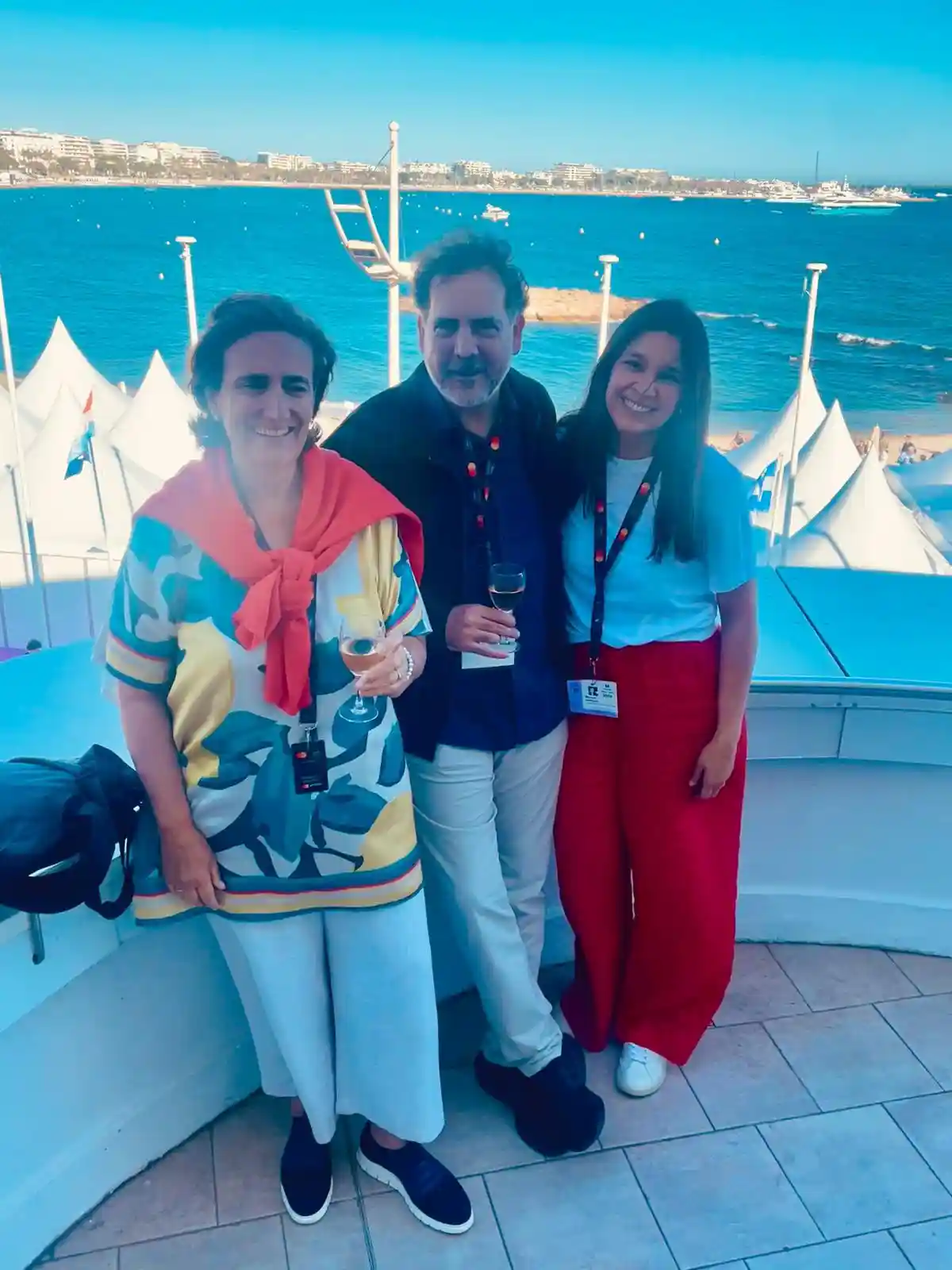
Chronicle of Cannes 2024, the state of the European market
Several colleagues from the Reboot consortium attended the Marché du Film in Cannes (Luis Albornoz, Sabela Vargas and Loreto Corredoira in the picture), where the FOCUS 2024 report of the European Audiovisual Observatory was presented.
Loreto Corredoira also published in a Spanish newspaper a chronicle on the situation or health of "European cinema". We highlight some paragraphs of her article "Anatomy of European cinema" .
The Observatory highlights a positive fact. In 2023, 2401 films were released in Europe, and more of them were European than American, although the latter are more successful at the box office. American productions continue to dominate the European film market, despite the purists - and I defend European protectionist measures - but reality is stubborn. "In 2023, European films accounted for more than a quarter of ticket sales (26.4%), while the market share of US titles reached a new high of 70.1%", these are the latest figures from the OBS .
European cinema is undoubtedly more glamorous, I don't know if it always has a better level; not in vain five of the major film festivals are in EU territory and move rivers of ink, but there is little turnover, or at least not enough to breathe or to stop depending on public aid.
Some data on the health of the European industry: France is the leading European country in this ranking of box office revenues, which is dominated by China, the United States and Canada. Spain is the 8th country in production (2019-2023), or 10th in the world in terms of number of screens in cinemas, but no Spanish film from last year made it into the ranking of the 50 highest grossing films, where there are 34 American films, 12 Chinese films, and some co-productions from Germany, Great Britain or Italy.
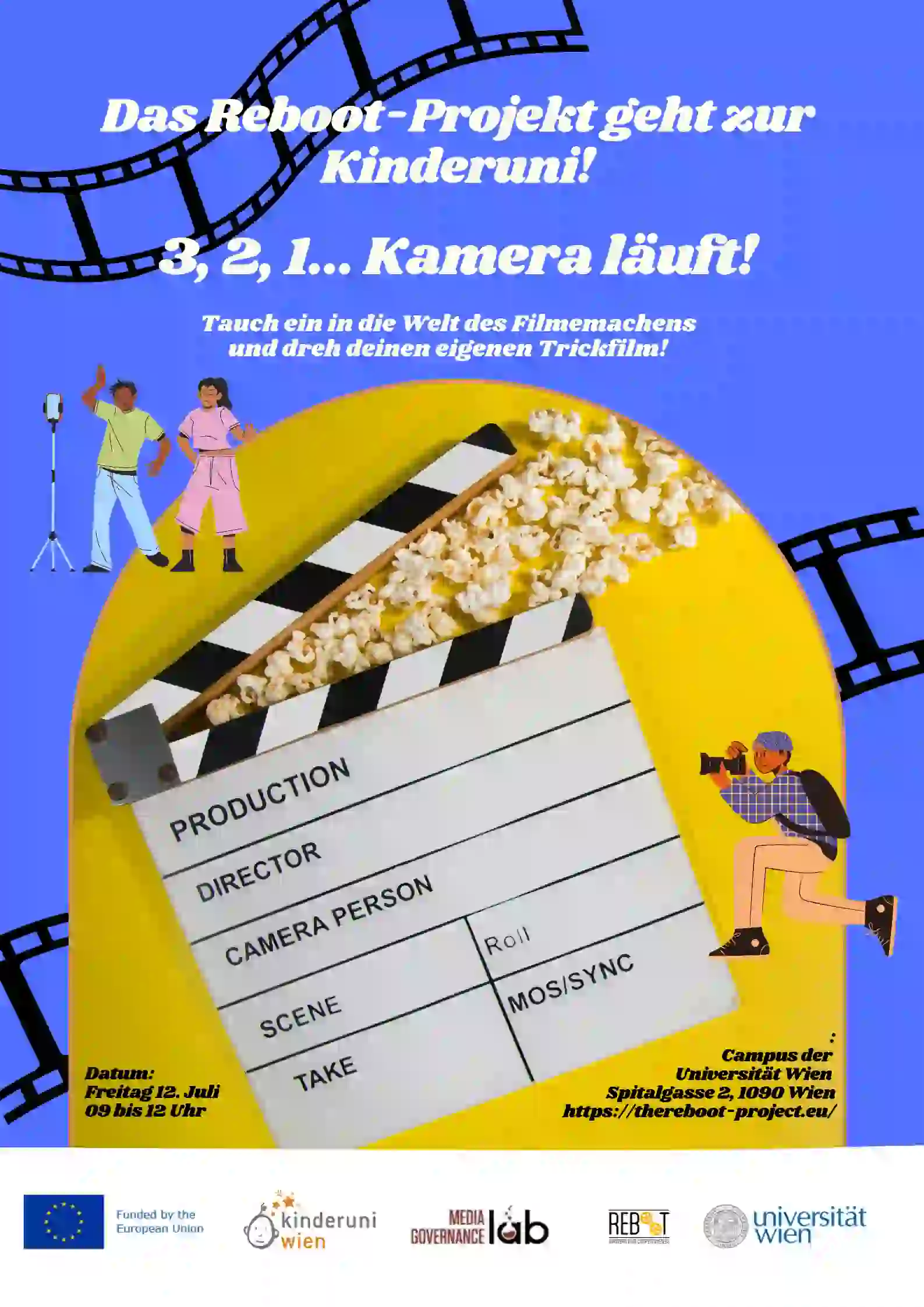
🎬✨ Exciting News! ✨🎬 The KinderuniWien- Reboot is fully booked!
On July 12th, The KinderuniWien is hosting a special workshop “3, 2, 1... Kamera läuft!” for children up to age 12, teaching them about the filmmaking process and the many professions within the film industry. This workshop is supported by the REBOOT project, funded by the European Union.
Around 25 children will get hands-on experience by collaborating to produce a short film! 🎥
In this creative adventure, kids will take on different roles and work in small groups to bring their imaginations to life.🌟
📚 About KinderuniWien 📚
Since 2003, has been offering children aged 7 to 12 a unique chance to explore the world of science and education. Several prestigious universities in Vienna, including the University of Vienna, the Medical University of Vienna, and the Technical University of Vienna, among others, open their doors to young learners for two weeks of exciting lectures, workshops, and hands-on experiences.
At KinderuniWien, kids get a taste of university life, from receiving a student ID to participating in graduation ceremonies—all for free! It's one of the largest children's universities in Europe, with a mission to "Turn the university upside down!"
Let's inspire the next generation of filmmakers and scientists together! 💡🎬
Kinderuni workshop
The Media Governance and Industries Research Lab
#KinderuniWien #FutureFilmmakers #FilmWorkshop #SupportOurKids
#ViennaUniversities #CreativeLearning #TurningTheUniversityUpsideDown
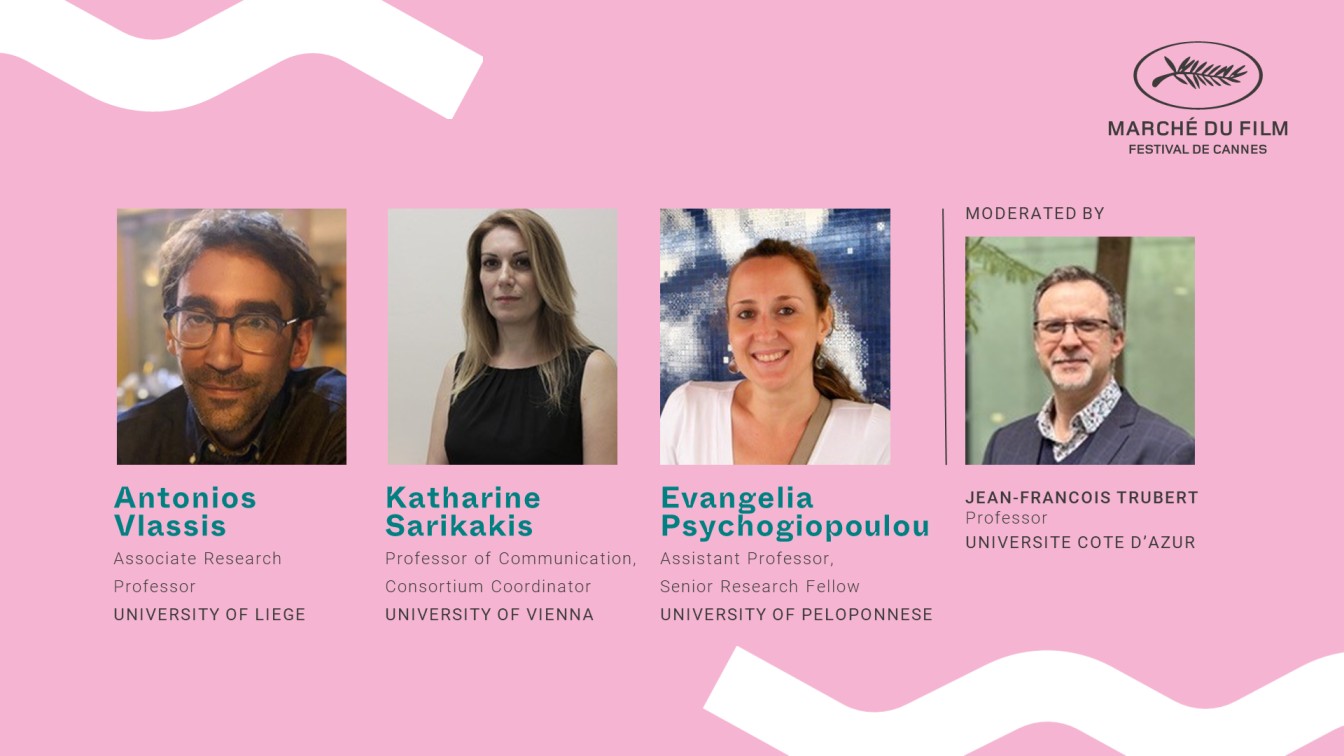
See you in Cannes!
REBOOT is presenting its work and first findings at the marketplace of the Cannes International Film Festival on May 15 at 12:00.
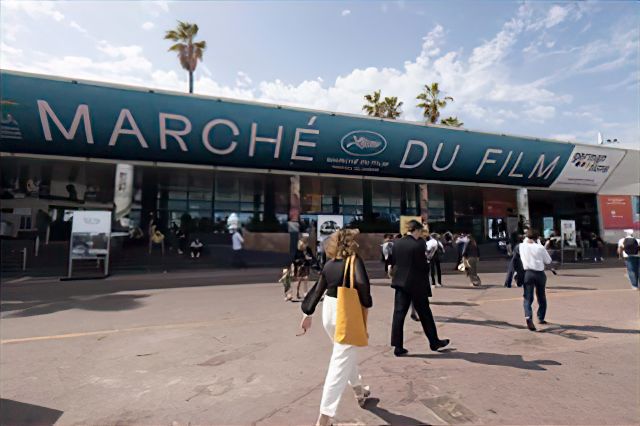
...and action! REBOOT at the Cannes Film Festival's Marche du Film
What are the possibilities to enhance the European Film Industry’s competitiveness? What visions are necessary for a truly European film industry? REBOOT is addressing these questions by presenting its work and first findings at the prestigious Cannes Film Festival's Marche du Film. Jean-François Trubert from the University Cote d’ Azur Katharine Sarikakis University of Vienna the coordinator of REBOOT ( Media Governance ) Evangelia Psychogiopoulou ELIAMEP Greece , and Antonios Vlassis University of Liege Belgium present collective insights on May 15 at 12:00 PM at The Viewpoint (Lérins)
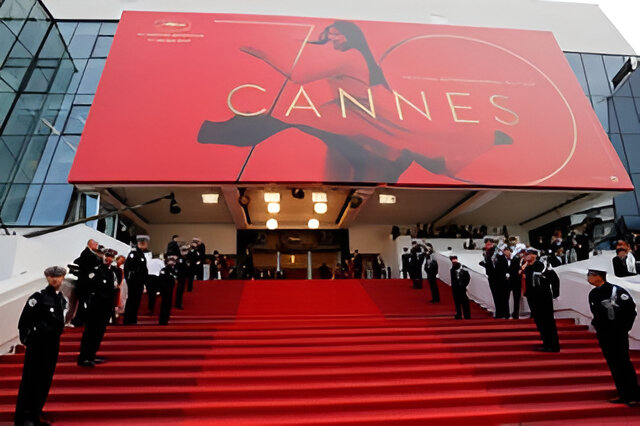
...and action! REBOOT at the Cannes Film Festival's Marche du Film
Industry, public institutions and universities are meeting under the umbrella of REBOOT to discuss and engage in a dialogue with the presence of the advisory board of the project during the Film Festival in Cannes. Comprised of experts in Europe and an international advisory board featuring European Broadcasting Union, EuroCinema, Austrian Film Institute, International Federation of Coalitions for Cultural Diversity and members from the consortium of 12 entities led by University of Vienna as Coordinator Media Governance , together they will explore the changes and challenges that lie ahead for the industry in the coming years.
Shining a spotlight on the rich expertise and varied experiences of REBOOT’s Advisory Board Members- focusing on creativity, market trends, and opportunities, the discussions will revolve around defining the concept of "Competitiveness" within the industry's context. This entails delving into key factors shaping competitiveness and crafting strategies for improvement. Moreover, the panel discussions will search into the roles of "gender" and "youth" in practice, policy, and strategic planning, aiming to examine their significance and integration within organizational frameworks.